Last updated November 21, 2026
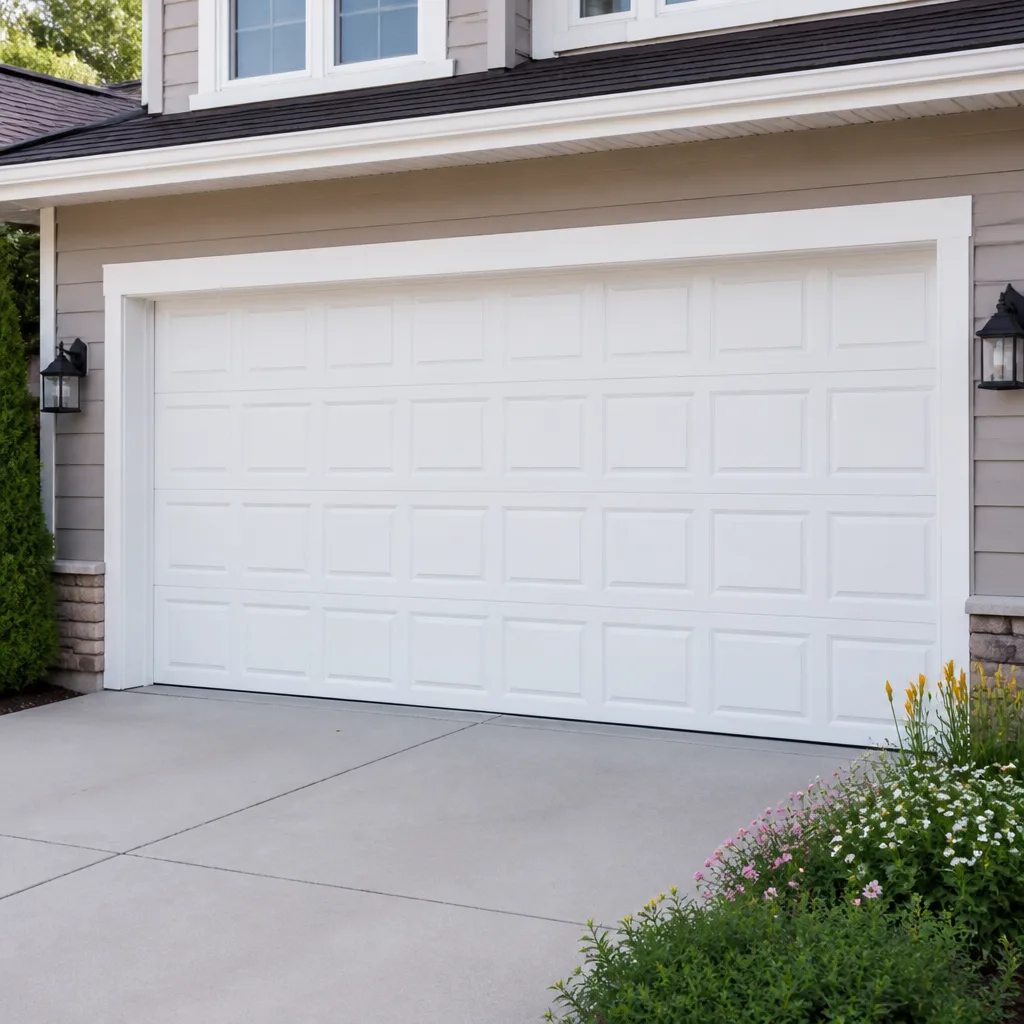 Raised-panel steel
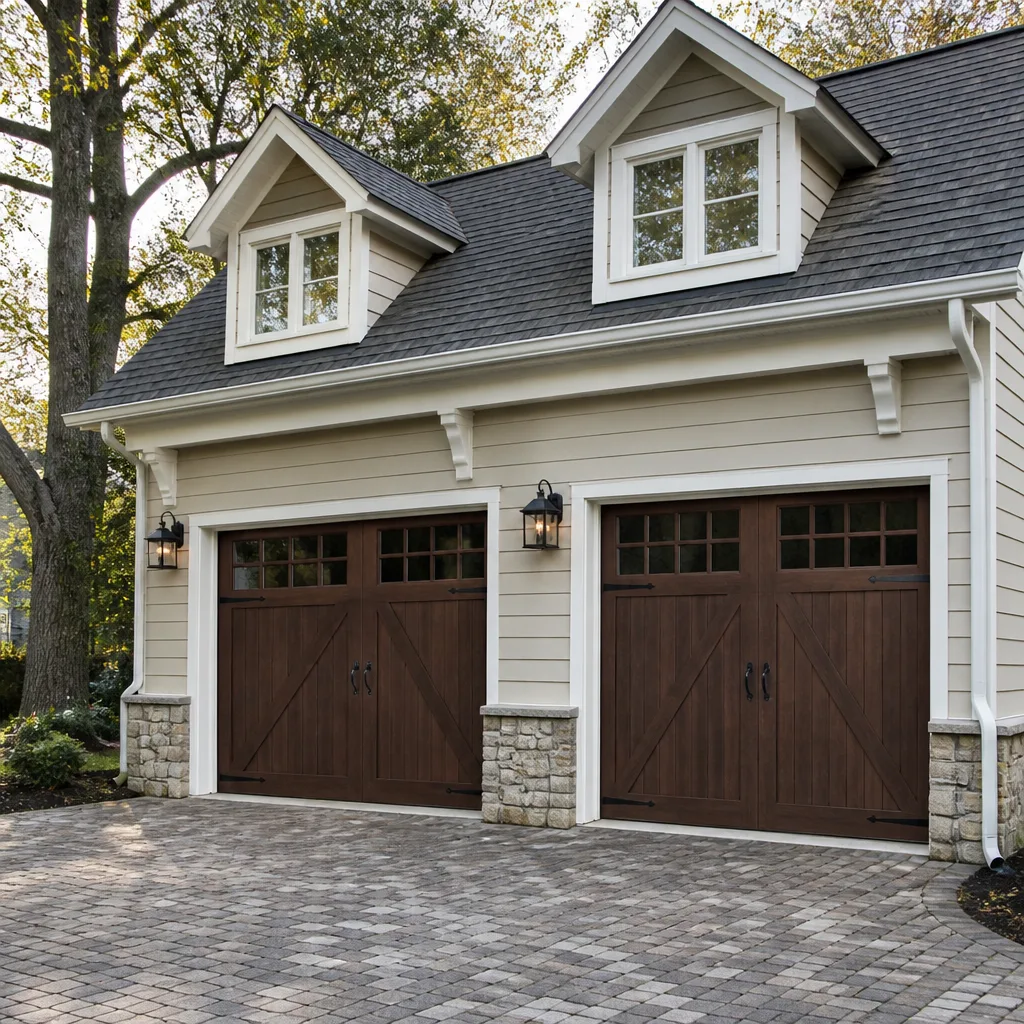 Carriage house
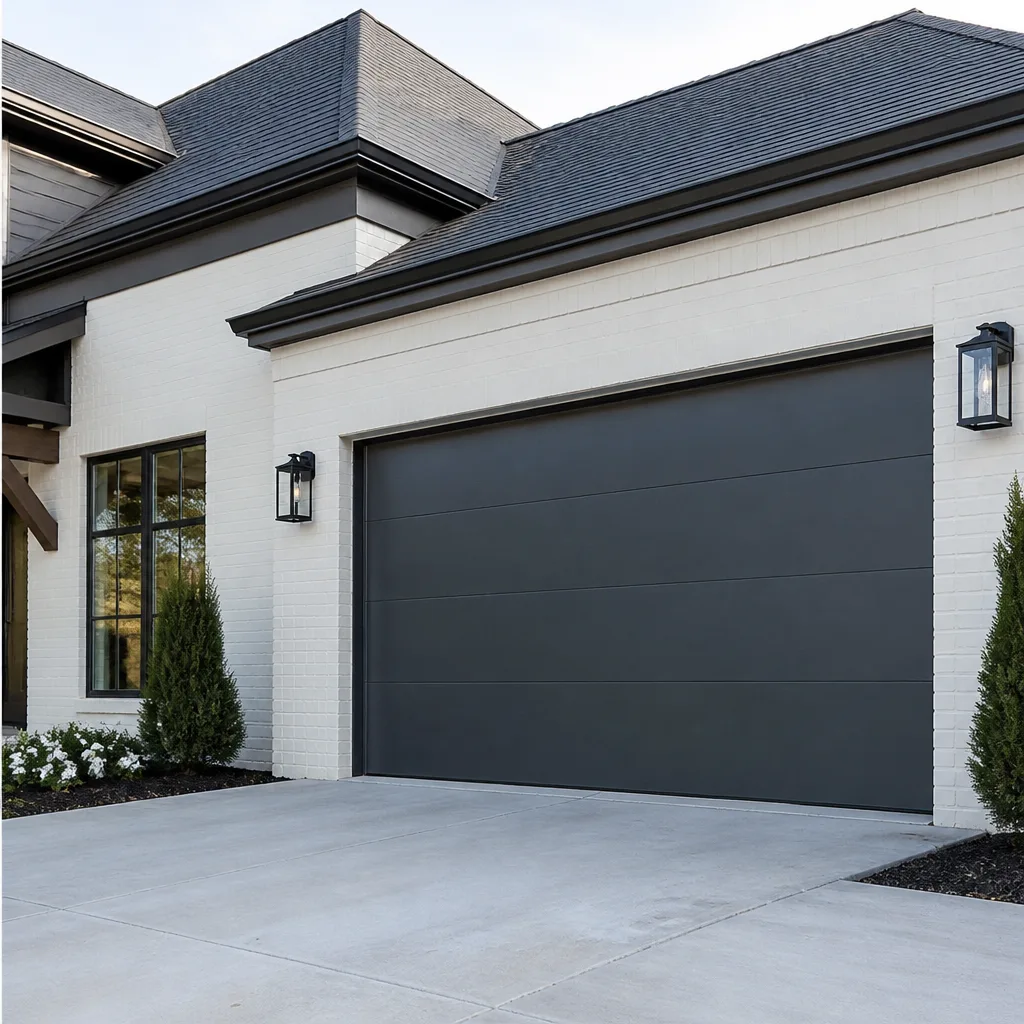 Modern flush
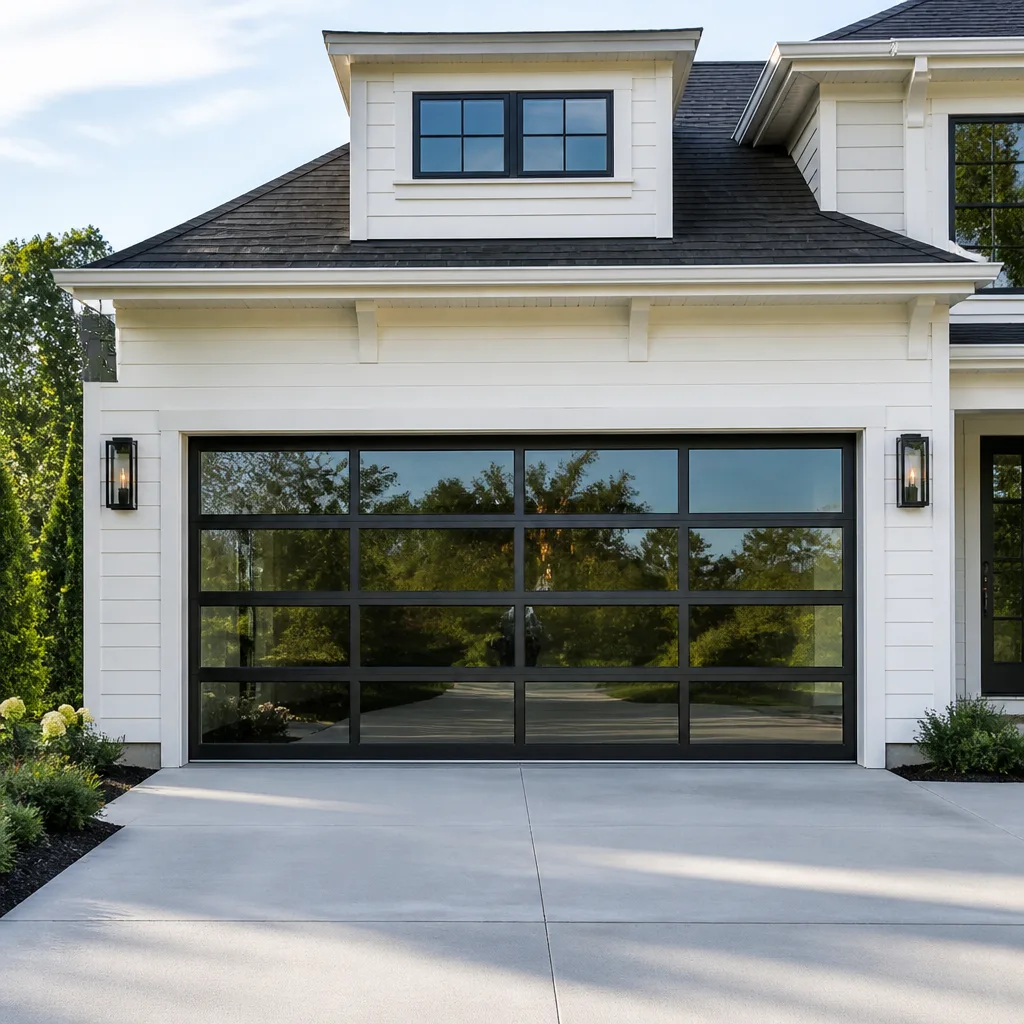 Full-view glass
 LiftMaster openers
 Chamberlain openers
Full 25-point door and opener safety check with every visit - springs, cables, rollers, tracks, and your LiftMaster or Chamberlain opener included
You get a price before we start. It does not change when the pro arrives.
Get your free estimateGarage Door Warning Signs: A New Haven Homeowner’s Reference Guide
Most garage door failures announce themselves weeks before they happen. The trick is that the announcement rarely sounds like an emergency. It sounds like a door that shudders for half a second, a spring that has picked up a faint sheen of rust, or an opener that has started pausing before it engages. Read those small signals mechanically, and you replace a worn cable or a tired roller. Ignore them for another New Haven winter, and the same problem compounds into a failed spring, a bent track, or a door that comes off its hinges. This guide walks through the warning signs, what each one means about the hardware behind it, and how to tell which problems need attention now versus which can wait for a scheduled visit.
Quick Answer
The warning signs of a failing garage door are uneven travel, unusual noises (grinding, squealing, or popping), visible rust on springs or cables, an opener that hesitates, and a door that behaves differently at night than during the day. The first three usually point to a mechanical issue that should be looked at within days; the last two can often be scheduled. Any door that will not stay down, moves crookedly, or makes a loud pop should be treated as urgent.
Styles & brands we work with
- Raised-panel steel
- Carriage house
- Modern flush
- Full-view glass
- LiftMaster openers
- Chamberlain openers
Table of Contents
- The Three Sounds That Diagnose the Problem
- Reading Uneven Movement: Which Side Drops First
- Rust Patterns on Springs and Cables
- Cold-Weather Warning Signs in New Haven
- Opener Symptoms That Point to the Motor or the Board
- The Visual Checklist Every New Haven Homeowner Should Run
- Seasonal and Neighborhood Context
- Which Signs Are Urgent and Which Can Wait
The Three Sounds That Diagnose the Problem
Noise is the most useful diagnostic tool a homeowner has, because different hardware failures make distinctly different sounds. Grinding, squealing, and popping are the big three, and each one traces back to a specific component.
Grinding is a low, rough, continuous sound that usually comes from metal-on-metal contact. The common culprits are worn rollers that have lost their bearings, dry hinges that have seized, or a torsion tube that has lost lubrication. In New Haven, where humidity swings through the year, dry metal grinds more audibly in late summer than in spring. Grinding rarely fails suddenly, but left alone it wears the surrounding hardware and shortens the life of the door’s hinges.
Squealing is higher-pitched and more intermittent, and it almost always means friction where there should be glide. Rollers are the usual suspect, though a misaligned track can produce a squeal as the door scrapes past a bend. Squealing that appears only in one spot while the door travels is a clear sign of a local track deformity.
Popping is the one to take seriously. A single loud pop usually means a torsion spring has broken, or a cable has slipped off its drum. Popping is not a maintenance signal; it is a failure signal, and the door should not be operated afterward. For anyone reading this in New Haven, this is the moment to stop and call – our garage door spring repair team handles springs as a core service, not as a subcontract.
If you can name the sound in one word, you’re already halfway to knowing what’s wrong.
Reading Uneven Movement: Which Side Drops First
A garage door is a balanced system, and when balance breaks, the door tells you where. Uneven movement – one side lagging, one side dropping faster, or the door visibly tilting as it rises – is one of the most reliable early warning signs you can watch for.
Here’s how to read it:
- If the left side drops first, the left torsion spring or left cable drum is losing tension. On a two-spring torsion setup, one spring carrying less load than its partner tilts the door toward the weaker side.
- If the right side drops first, apply the same logic to the right. Whichever side falls is almost always the side with a failing spring, a stretched cable, or a drum that has lost grip.
- If the door hesitates without a clear side bias, suspect track alignment or rollers. A door that shudders mid-travel but stays level usually has a track that has bent inward or a roller that has come loose.
- If the door moves freely but stops short on one side at the very end of travel, look at the horizontal track and the hinge at the pivot point.
Uneven movement should never be ignored. A door that runs crooked under tension puts extra force on the tracks, and once a track bends it can take the door out of alignment permanently. In our experience, a crooked door that’s caught early is usually a cable or spring adjustment. A crooked door that’s been left for a season often lands after a full garage door repair diagnosis. The difference is timing.
Rust Patterns on Springs and Cables
Rust is the slowest warning sign and the easiest to misread, because not all rust is structural. Surface rust is cosmetic. Structural corrosion is the kind that weakens the spring wire or thins the cable strands, and it looks different if you know what you’re seeing.
Surface rust appears as a light, powdery brown film. It wipes off, and the metal underneath is still smooth. On a spring, surface rust on the outer coil is common and rarely the reason for failure. You can usually let it be.
Structural corrosion looks pitted, flaking, or textured like a scab. The metal feels rough under a gloved finger. On a spring, this is significant – a spring that has lost cross-section to corrosion carries less load and can break earlier than its rated cycle life. On a cable, structural corrosion shows as frayed strands or a cable that has developed visible “bites” where the steel has thinned.
How to tell them apart in one look:
- Light brown film that rubs off = surface rust.
- Pitting, flaking, or orange-brown crust = structural corrosion.
- Frayed cable strands, or a cable that looks fuzzy rather than smooth = immediate problem.
- Rust concentrated at the bottom bracket or cable drum = check for water intrusion, not spring failure.
In New Haven, homes in older neighborhoods with garages facing morning sun and afternoon humidity see more rust on cables than on springs. The spring stays dry; the cable, running close to the concrete slab, does not.
Safety note: Do not touch a spring or cable under tension. Torsion springs are under extreme load even when the door is closed, and an accidental release can cause serious injury. Visual inspection from a distance is safe. Anything closer needs a trained technician with the right tools.
Cold-Weather Warning Signs in New Haven
Cold weather is the single biggest reason garage door problems surface in New Haven between November and March. Metal contracts, lubricants thicken, and springs that have been carrying load all year suddenly have to work against tighter tolerances. The behavior change is diagnostic.
The most common cold-weather symptom is a door that works fine at noon but won’t close at midnight. The mechanism behind it is simple enough: the spring steel that opens and closes the door has slightly different tension when it’s cold, and the opener’s safety sensors and force-adjustment settings feel that difference. If the door closes at 2 p.m. and reverses at 10 p.m., the spring isn’t failing – the tension-to-force match is marginal, and cold weather has pushed it past the threshold.
Other cold-weather signs to watch for:
- A door that opens but won’t close – usually a force-setting or sensor issue, not a broken spring. The opener is protecting itself.
- Stiff or slow travel in the first few inches of motion – lubricant has thickened and needs to be replaced with cold-rated product.
- Banging or popping at the very start of opening – the spring has developed a flat spot and is binding on the torsion tube.
- A door that becomes misaligned overnight – the track has contracted, pulling a roller out of its channel. The door needs aligning, not replacing.
If your door was fine in October and isn’t fine now, cold weather has exposed a marginal component. That’s information, not a reason to panic. We look at these every winter in New Haven, and the diagnosis is usually simpler than the homeowner expects.
Opener Symptoms That Point to the Motor or the Board
The opener is the easiest part of the system to blame and the hardest to diagnose without understanding what each symptom actually points to. In our experience, every opener warning sign is one of three failures: a motor on its way out, a control board losing a channel, or a power or signal disruption that looks like failure but isn’t.
Motor hesitation – the motor starts to lift the door and then pauses or stutters before finding its rhythm – usually points to a force-to-load mismatch or a capacitor on the way out. On older Chamberlain and LiftMaster units, a capacitor that’s fading produces this exact behavior, and it often appears weeks before the motor fails outright.
Remote delay – the door responds, but two or three seconds after the button press – points to either a failing receiver board or interference from another device on the same frequency. A remote that fails for one button but not another, or that works closer to the door than far from it, is signaling a receiver problem rather than a motor problem.
Wall button inconsistency – the wall button works, the remote doesn’t, or vice versa – is the single most useful diagnostic data point. If the wall button works and the remote doesn’t, the motor and control board are healthy and the problem sits in the remote or receiver. If the reverse, the wall button wiring or the board is the likely culprit. If neither works, the problem is upstream. Many of the garage door opener repair calls we see in New Haven are resolved by isolating this signal – which is why we ask detailed questions before we arrive.
Smart-home connected openers (most LiftMaster and Chamberlain MyQ systems, and the newer Genie Aladdin setups) add a layer of diagnostic complexity because they can fail at the app level while the hardware is fine. If the app is down but the wall button works, the motor is not the problem.
The Visual Checklist Every New Haven Homeowner Should Run
Most of the signals described in this guide can be caught in a five-minute walk-around. Run this checklist once a season, more often in winter, and you’ll catch failures while they’re still adjustments.
- Look at the door from the side. The gap between the door and the jambs should be even on both sides. Uneven gap = track or spring issue.
- Open and close the door once and listen. You’re listening for grinding, squealing, or popping – not for general noise.
- Check the springs from a safe distance. Surface rust is fine. Pitting, flaking, or a gap in the spring coil is not.
- Inspect the cables with a flashlight. Frayed strands or a fuzzy texture means the cable needs replacing.
- Test the balance. Disconnect the opener, lift the door to waist height, and let go. It should stay in place. A door that drops or rises on its own has a spring-tension issue.
- Test the reversal. Place a roll of paper towels in the door’s path and close the door. It should reverse on contact. If it doesn’t, the safety system is failing.
- Check the wall button and remote separately. Note which one works. This single data point saves diagnostic time.
If you check nothing else, check the balance and the reversal. Those two tests catch most serious safety failures before they become a problem. When your door fails either of them, call us at (866) 476-7578 – we handle it as a core part of our service, not as a premium add-on.
Seasonal and Neighborhood Context
New Haven is not a uniform climate, and the warning signs you see in one neighborhood don’t always match another. The city’s older housing stock, its mix between attached and detached garages, and the varied orientation of driveways all affect which components wear first.
In neighborhoods like East Rock, where many garages are detached and tucked under mature trees, debris buildup on the horizontal track is the most common warning sign. A track full of leaves and twigs forces the opener to work harder, which mimics motor hesitation and can wear out a capacitor early. Clearing the track once a month in fall is a five-minute job that extends opener life.
In Westville and parts of Fair Haven, homes tend to have older wooden doors that weigh more than modern steel. Heavier doors put more load on springs and cables, which means the balance test matters more there – a slight loss of tension shows up faster on a heavy door than on a light one. Cables on these doors should be inspected twice a year.
Downtown and in the hill neighborhoods, where garages see more vehicle traffic and tighter maneuvering, bent tracks and misaligned safety sensors are the most common issues. A sensor knocked slightly out of alignment produces a door that “just won’t close” – the opener is doing exactly what it’s supposed to do.
None of these are about which neighborhood is worse. They’re about which warning signs to prioritize. A trained technician reads the environment the door lives in, not just the door itself.
Which Signs Are Urgent and Which Can Wait
Not every warning sign requires a same-day call, and treating everything as urgent is as unhelpful as treating nothing as urgent. Here’s how we sort them.
Call today (same-day service is part of our standard response):
- A popping sound followed by a door that will not lift – almost certainly a broken spring.
- A door that has come off its track or hangs at an angle.
- A door that closes and then reverses on its own, or fails the reversal test.
- A visible gap in the torsion spring coil.
- A door that will not stay down and is open to the street.
Schedule within the week:
- Grinding or squealing that is new but the door still travels normally.
- Uneven movement that’s visible but the door completes its cycle.
- Opener hesitation that hasn’t yet stopped the door from working.
- Surface rust that has started to show pitting.
- Cold-weather behavior differences that resolve during the day.
Can wait for a routine visit:
- Surface rust without pitting.
- Cosmetic noise (squeaks that come from dry hinges rather than moving hardware).
- A single failed remote button, if the wall button and the second remote both work.
When in doubt, call and describe what you’re seeing. We talk homeowners through the urgency on the phone, and a five-minute conversation usually tells us whether it’s a today call or a this-week call. If the answer is “wait,” we tell you.
Common Mistakes to Avoid
- Ignoring the first appearance of a new sound. A new grinding or squealing sound is information; waiting for the door to actually fail turns a $200 adjustment into a bigger repair. The door is telling you something – listen before it has to shout.
- Applying lubricant to the wrong surfaces. Lubricant on the springs, the tracks, or the rollers in the wrong grade can attract grit and accelerate wear. Grease what’s meant to be greased, and use a cold-rated product in New Haven winters.
- Trying to adjust a spring or cable yourself. Torsion springs are under extreme tension even when the door is closed. This is not a homeowner job, and we strongly advise against any attempt to adjust, remove, or replace a spring without proper training and tools.
- Assuming a door that won’t close means a motor problem. Most of the time it’s a safety sensor or a force setting, not a failing motor. Diagnosing before replacing saves money.
- Changing the opener when the door is the problem. A door that drags, tilts, or binds will wear out any opener you install on it. Fix the door first.
See the difference
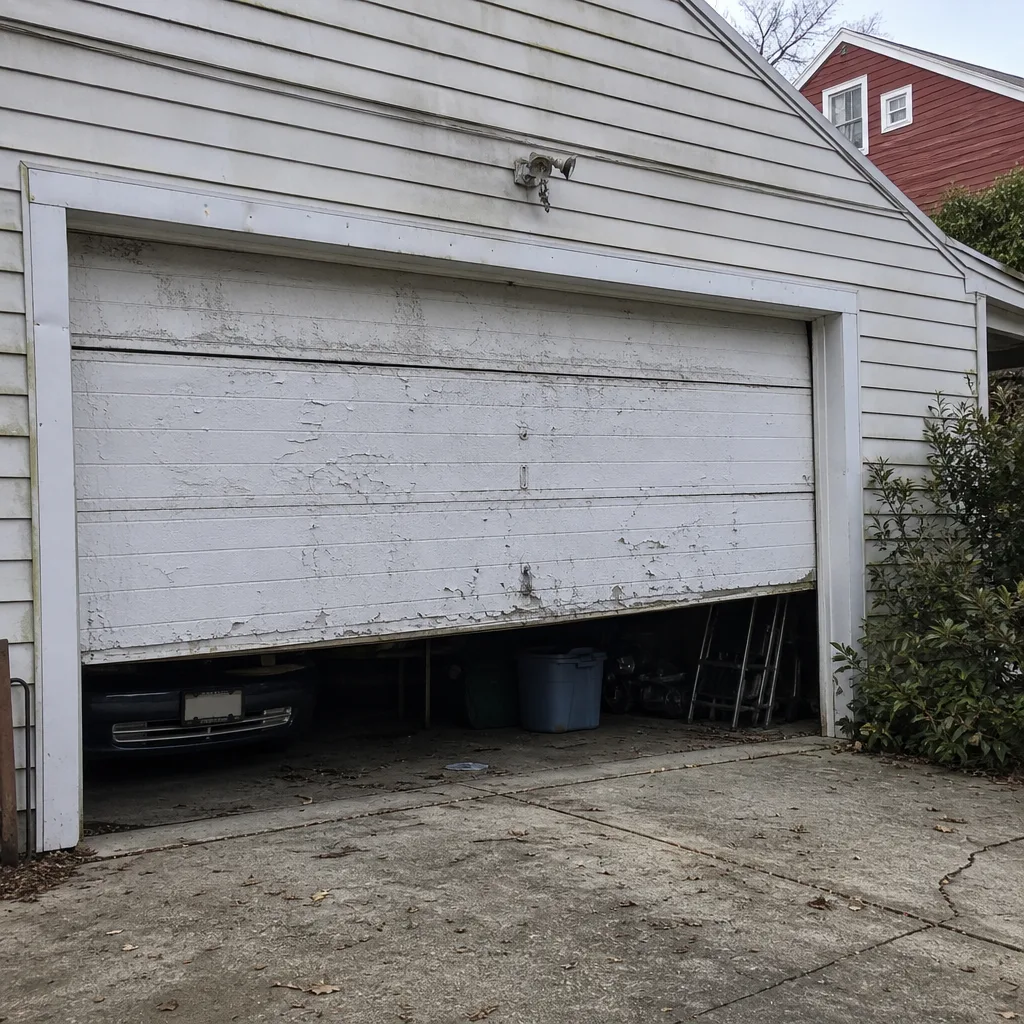 Before
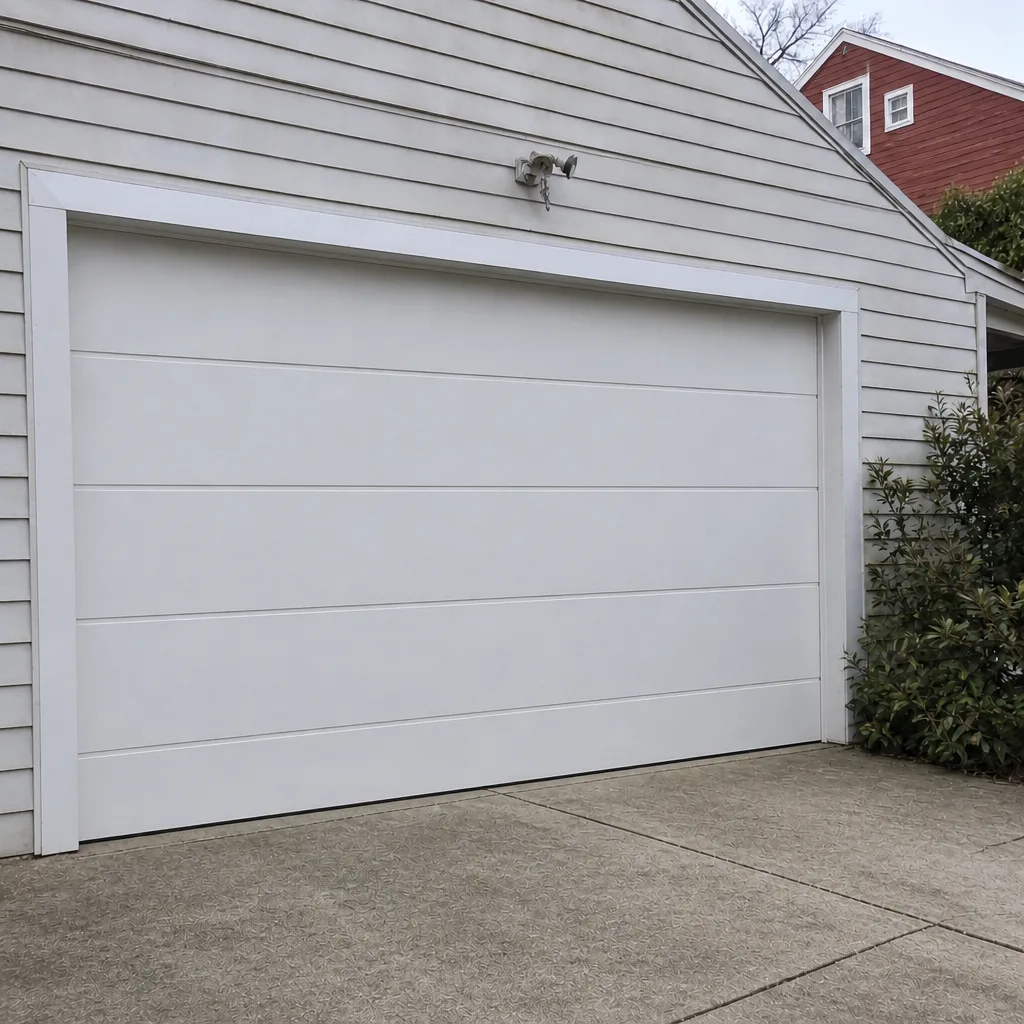 After
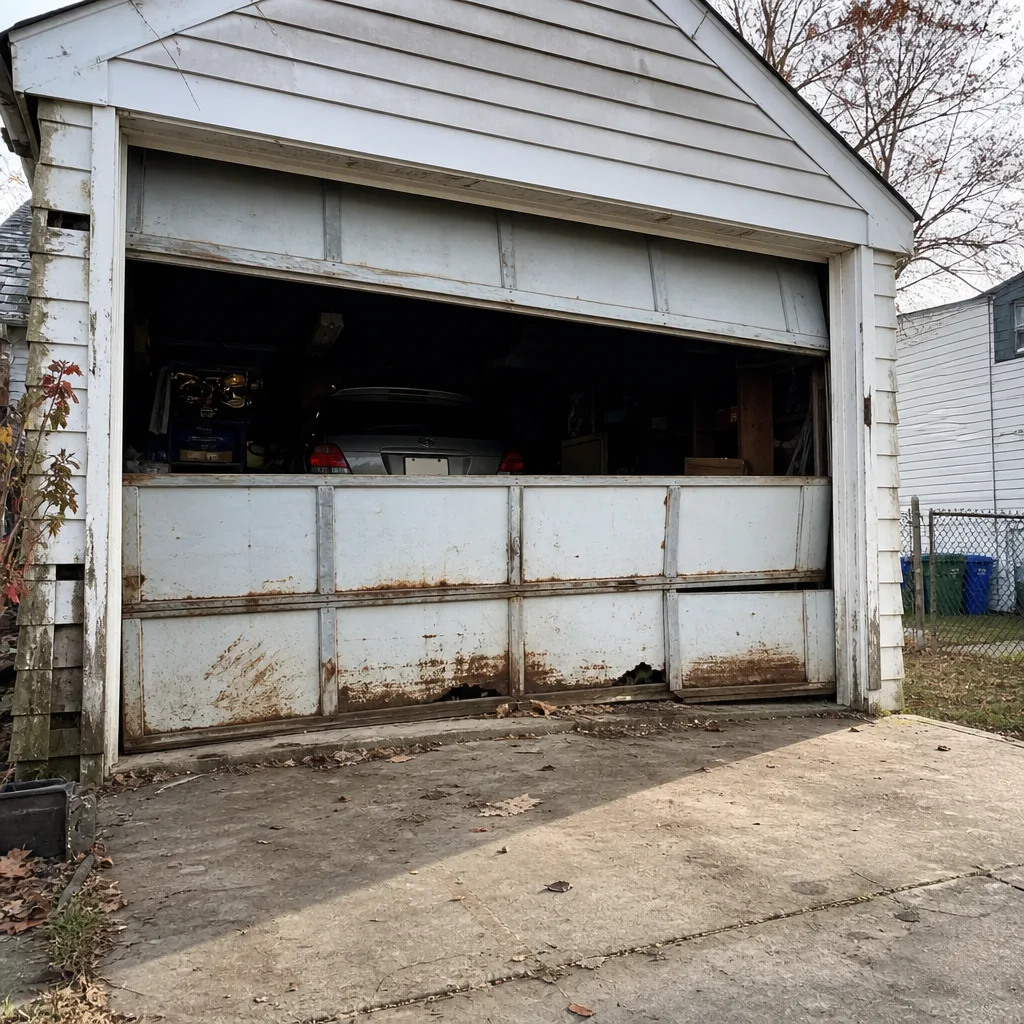 Before
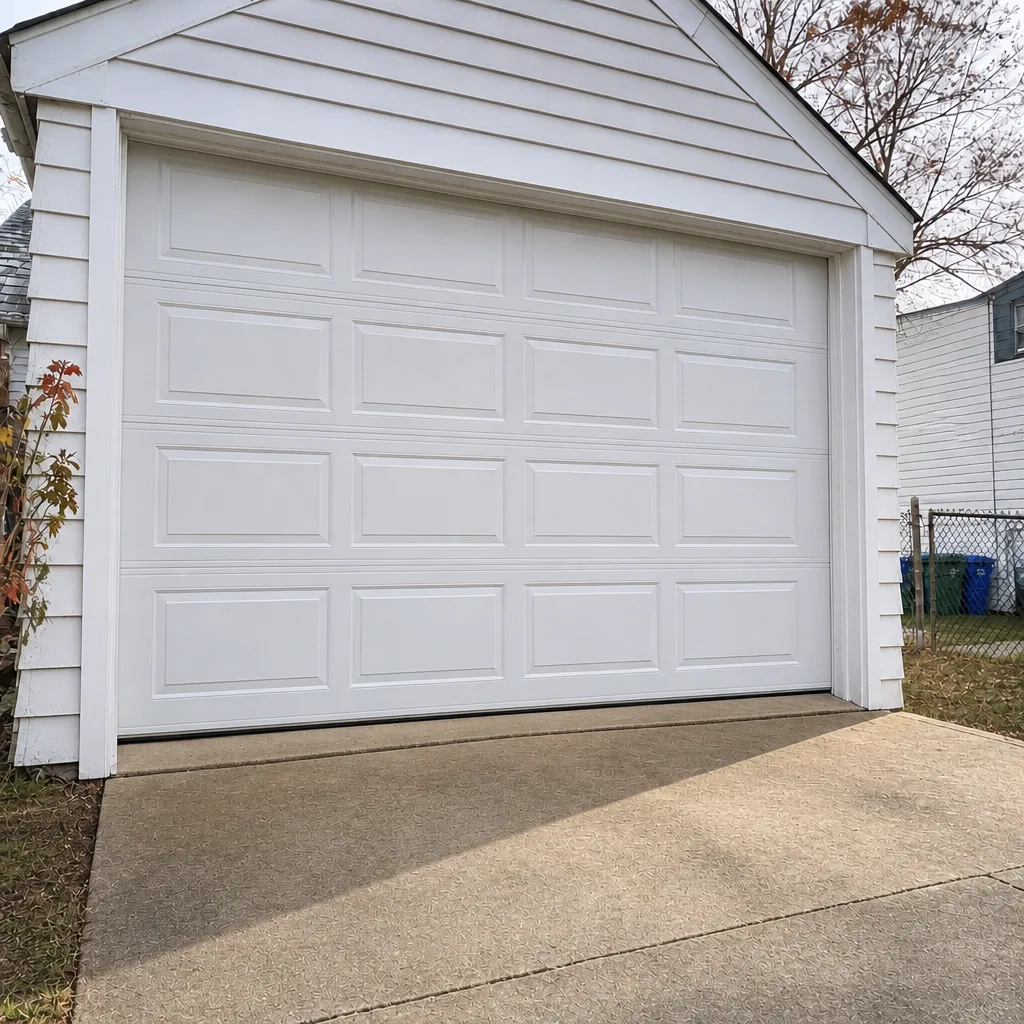 After
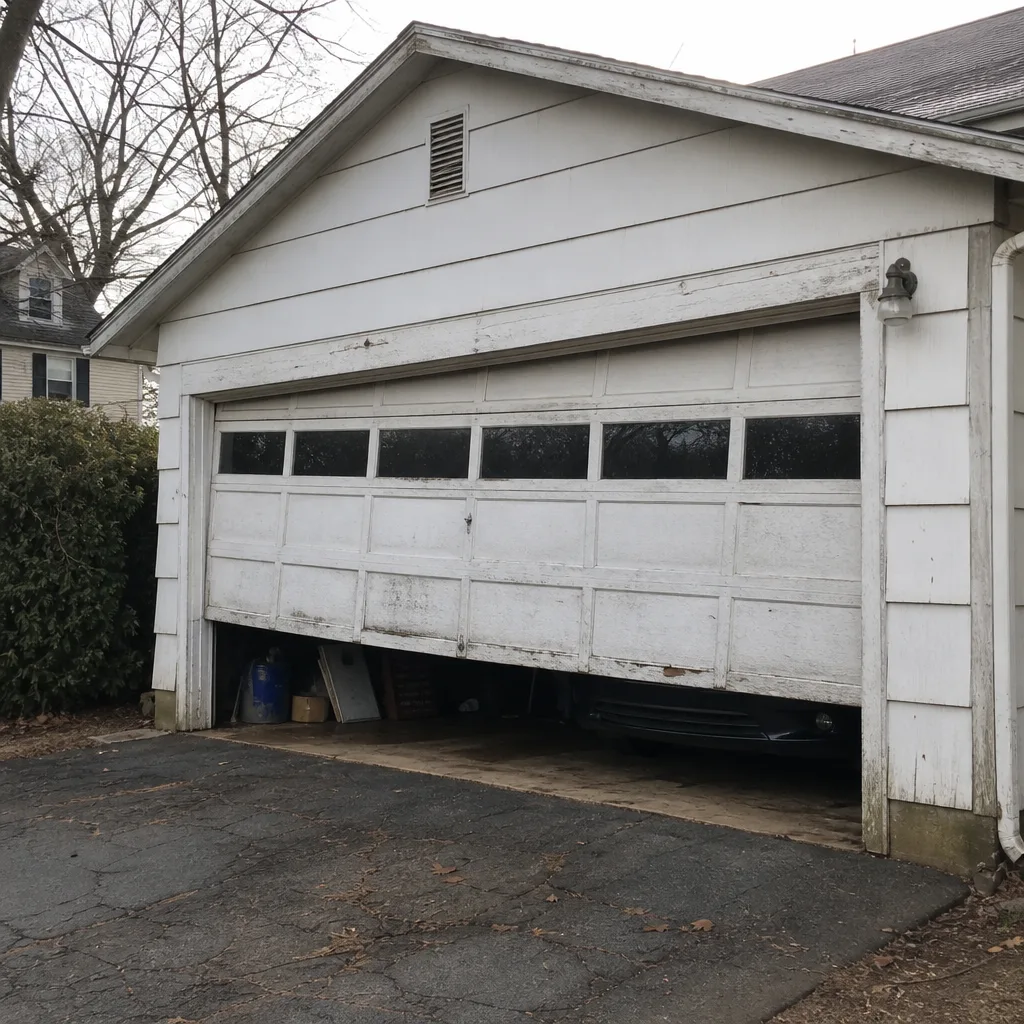 Before
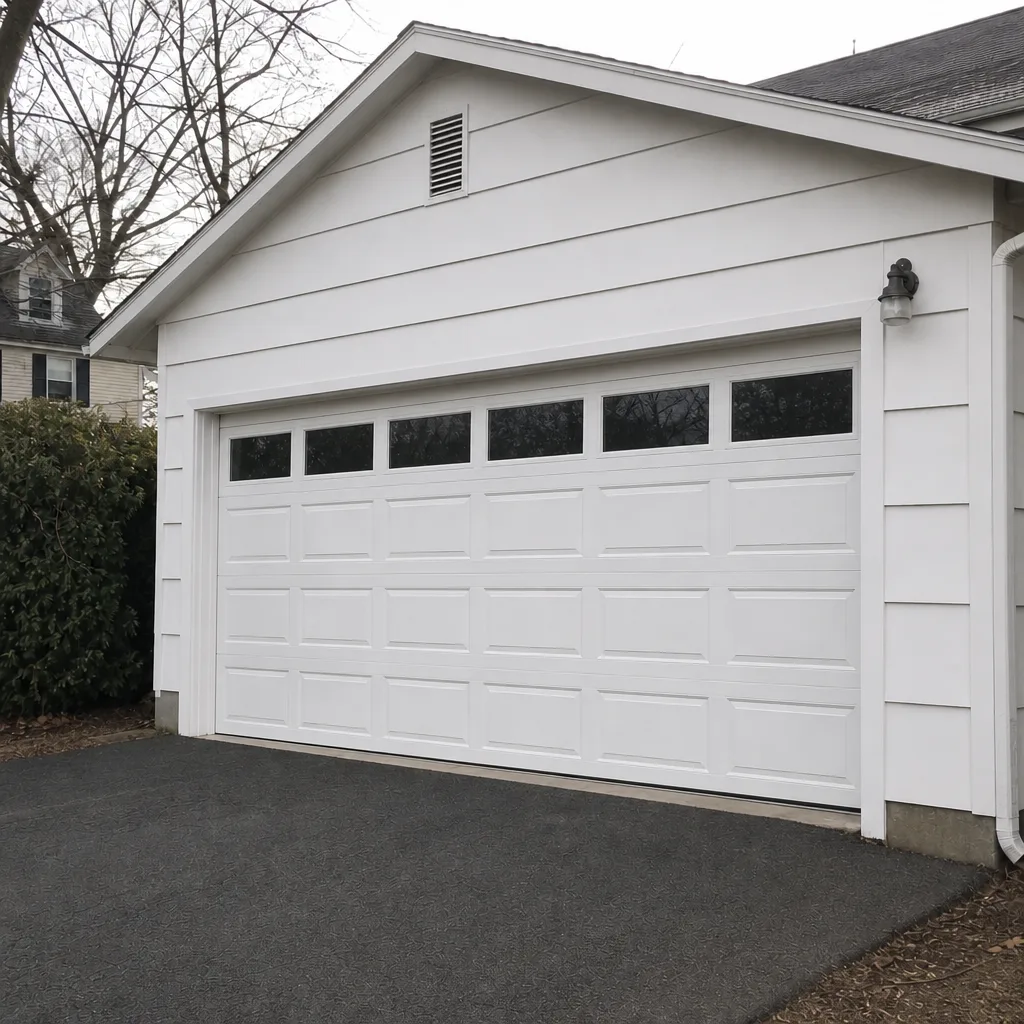 After
When to Call a Professional
Call a professional if you’ve heard a pop, seen a gap in a spring, noticed a door hanging at an angle, or watched the door fail the reversal test. Call if the door behaves noticeably differently at night than during the day – that’s a cold-weather signal worth diagnosing before it fails during a winter storm. Call if your door has been grinding or squealing for more than a few days, if you’re not sure which side is dropping, or if you’re simply tired of not knowing. A five-minute diagnostic visit usually tells you which component is failing, which repairs are needed now, and which can wait. New Haven Garage Door Repair Co offers free estimates in New Haven – call (866) 476-7578.
Frequently Asked Questions
The most common signs are uneven travel, unusual noises (grinding, squealing, or popping), visible rust or fraying on springs and cables, and an opener that hesitates or works inconsistently. Any two of these appearing around the same time usually points to a load problem – spring tension or a cable – rather than a motor failure. Call (866) 476-7578 for a free estimate if you’re seeing several at once.
A door that works during the day but fails to close at night is almost always showing a temperature-tension mismatch, not a broken component. Cold evening air changes the spring’s behavior slightly, which pushes a marginal force setting past the opener’s safety threshold. It’s worth diagnosing before winter because a marginal system can fail outright once temperatures drop. Call us for a diagnosis – the fix is usually adjustment, not repair.
No. Torsion springs are under extreme tension even when the door is closed, and releasing one without the correct tools and training can cause serious injury. This is a job for a trained technician. We handle spring repair as a core service and would rather you never attempt it.
Most repairs – rollers, cables, openers, and spring replacements – are completed in a single visit. Emergency service is part of our standard offering, not a premium add-on, so we treat a door that has failed the same way we treat other urgent calls. Exact timing depends on the component and whether parts need to be ordered; we’ll give you a clear expectation before we arrive.
No. Grinding more often points to a dry or seized hardware component – a hinge, a roller, or a track contact point – than to the opener. The motor is usually the last thing to fail when there’s grinding, not the first. Save the opener diagnosis for symptoms like hesitation, remote delay, or wall-button inconsistency.
We service all major garage door and opener brands, including LiftMaster, Chamberlain, Genie, Clopay, Amarr, Wayne Dalton, Craftsman, and Raynor. Our technicians are familiar with the brand-specific behaviors of each, which means diagnosis is directed rather than guesswork. Call (866) 476-7578 to set up a visit.
The Bottom Line
Garage door warning signs almost always appear weeks before the failure. The sounds, the uneven travel, the rust patterns, and the cold-weather behavior differences all trace back to specific components – and each one tells you whether you’re looking at a same-day call or a scheduled visit. As a homeowner in New Haven, you don’t need to know how to fix a spring. You do need to know what grinding versus squealing versus popping actually means. Once you can read the signs, you stop reacting to failures and start anticipating them. That’s the difference between a door that lasted through the winter and a door that didn’t. If you’ve read this and recognized one of the urgent signs, call (866) 476-7578 for a free estimate.
Related reading
- New Haven Garage Door Repair Co
- garage door repair
- garage door opener repair
- garage door spring repair
Written by the team at New Haven Garage Door Repair Co.