Last updated November 21, 2026
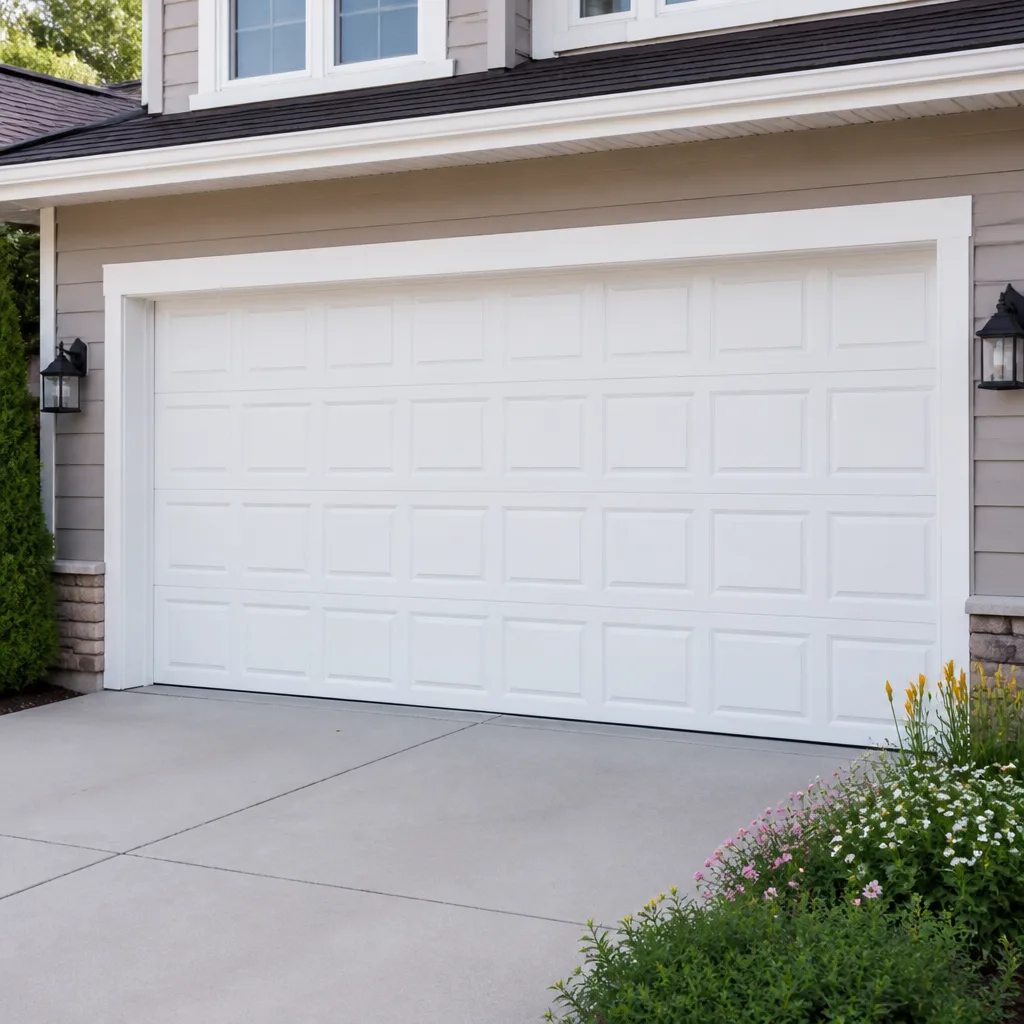 Raised-panel steel
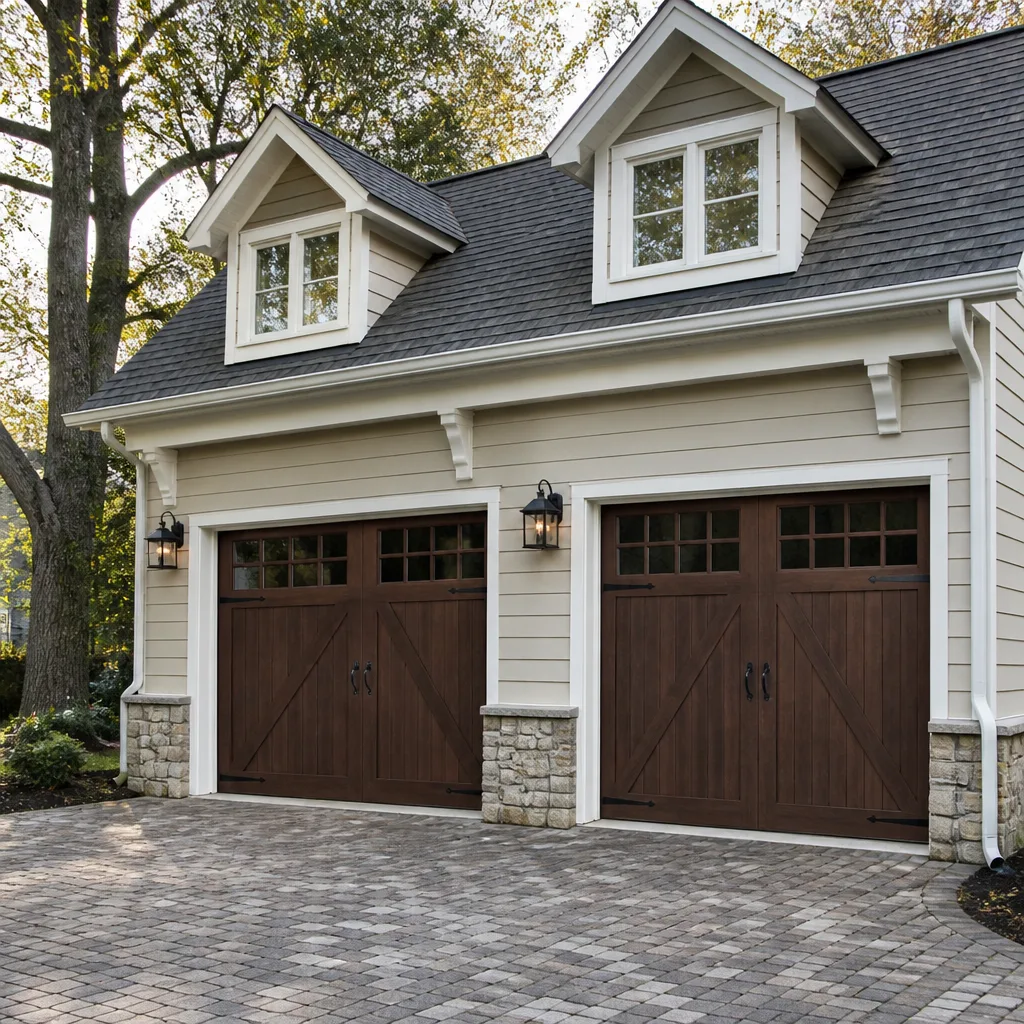 Carriage house
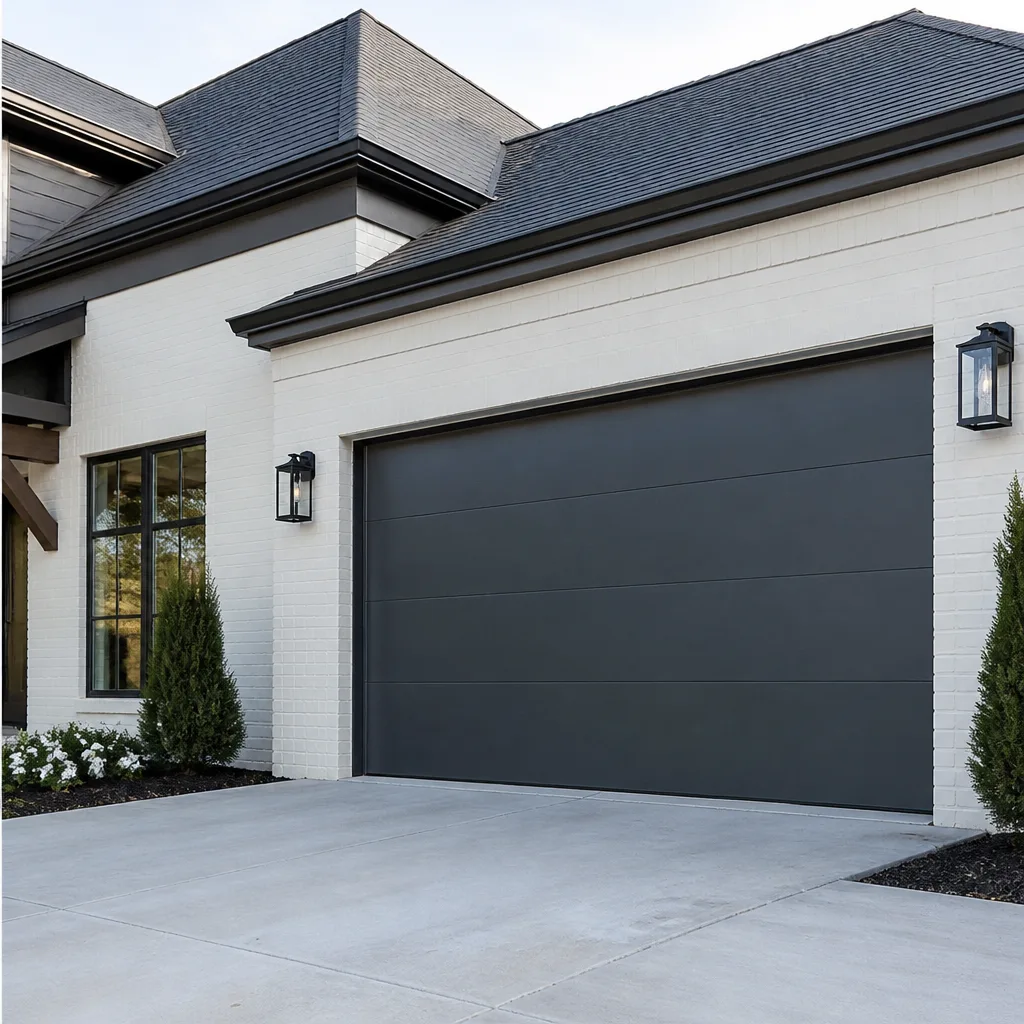 Modern flush
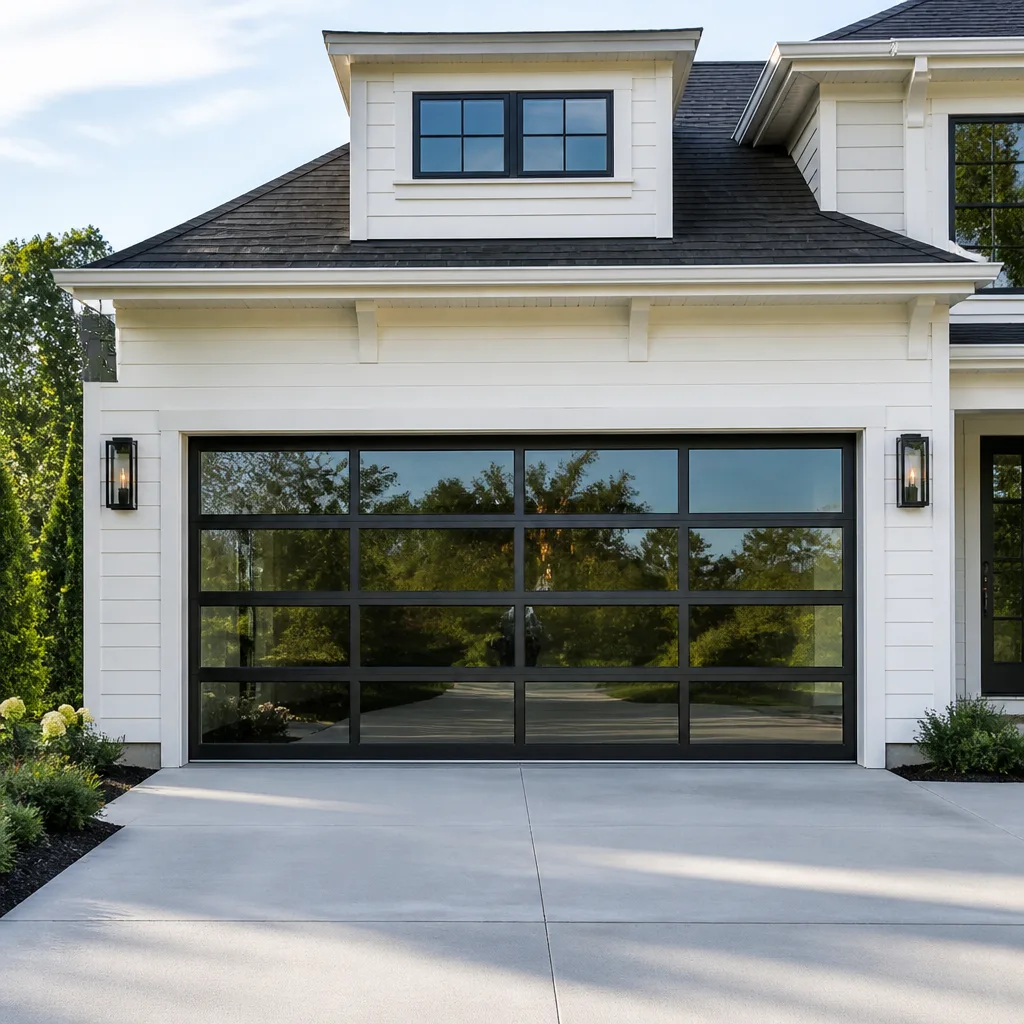 Full-view glass
 LiftMaster openers
 Chamberlain openers
Full 25-point door and opener safety check with every visit - springs, cables, rollers, tracks, and your LiftMaster or Chamberlain opener included
You get a price before we start. It does not change when the pro arrives.
Get your free estimateGarage Door Permits, Codes & Inspections in New Haven, CT: What You Need to Know
Most homeowners assume a garage door replacement never needs a permit. In a lot of cases they’re right, which is exactly why the exceptions catch people off guard. Change the door on a property inside a historic district overlay in Wooster Square or Prospect Hill, and you may need a Certificate of Appropriateness before a single panel comes off the truck. No big-box installer is going to raise that with you at the kitchen table. This guide walks through when Connecticut code requires a permit for garage door work, when a like-for-like swap is exempt, how New Haven’s historic rules apply to style, material and color, and how unpermitted work surfaces at resale. If you’d rather just talk it through, call (866) 476-7578 for a free estimate.
Quick Answer
In New Haven, replacing a garage door with a like-for-like unit is often exempt from a building permit, but structural changes (widening an opening, altering headers, adding new electrical circuits for an opener) generally require one. Any property inside a local historic district also needs design approval from the Historic District Commission before work begins. The final word always comes from the New Haven Building Department and your local inspector, so confirm the scope before you order a door.
Styles & brands we work with
- Raised-panel steel
- Carriage house
- Modern flush
- Full-view glass
- LiftMaster openers
- Chamberlain openers
Table of Contents
- When Does Connecticut Code Require a Permit for Garage Door Work?
- What “Like-for-Like Replacement” Means Under CT Building Code
- New Haven’s Historic District Overlay and Your Door
- The Correct Sequence: Application, Inspection, Certificate of Completion
- How Unpermitted Garage Door Work Surfaces in a Real Estate Transaction
- What an Inspector Actually Checks
- Openers, Electrical and Safety-Reverse: The Code Side
- How New Haven Weather Affects Door Code Compliance Long-Term
When Does Connecticut Code Require a Permit for Garage Door Work?
The short answer: it depends on whether you’re swapping a door or changing the structure around it. A straight replacement of an existing door with a unit of the same size and type in the same opening usually falls outside the permit line. The moment you change the opening itself, add framing, alter the header, or bring in new electrical work, you’re in permit territory. Connecticut follows the model of the International Residential Code, and the IRC’s permit section is where the dividing line lives.
Here’s how to think about it in practice, using New Haven projects we’ve seen come through:
- Swap of one door for another of the same size: typically exempt. This is the standard replacement most New Haven homeowners do when a door has rusted through or delaminated.
- Widening or narrowing the opening: permit required. Any change to the header or structural framing behind the wall pulls in carpentry and inspection.
- Converting a manual door to an opener for the first time: depends on whether a new electrical circuit is required. If you’re tying into an existing circuit, it’s usually treated as an appliance installation. If an electrician runs new wire and adds a breaker, that electrical work is permitted separately.
- Adding a garage door where none existed (new construction or a conversion): permit required, and the door itself must meet code requirements for wind load and safety features.
- Replacing springs, cables, rollers or hinges only: not a permit item. These are maintenance repairs.
We always tell homeowners in New Haven to make one phone call to the Building Department before ordering. It takes ten minutes and settles the question. Do it before you sign anything with an installer.
What “Like-for-Like Replacement” Means Under CT Building Code
Like-for-like is the phrase that gets thrown around a lot and understood by almost nobody. In plain terms, it means the new door matches the old one in three dimensions and in weight class, and the new unit slides into the exact same opening. Same width, same height, same track configuration, same spring counterbalance type. Sectional for sectional. If you had a single-car door, you’re putting back a single-car door.
Where people get tripped up is in thinking “similar” is close enough. It isn’t. Here’s what actually breaks the like-for-like exemption:
- Changing the door weight class. Going from a steel door to a heavier insulated wood door requires new springs and possibly a reinforced header. That’s structural, and it needs a permit.
- Changing the number of sections. A four-section door replaced with a five-section door (or vice versa) changes the track and hardware layout.
- Changing the opening height. Even an inch of difference to fit a taller door means header modification.
- Replacing a single door with a double door, or vice versa. This is a different opening. Permit and framing review.
- Adding a window where there wasn’t one. Minor in appearance, but changes the load and the manufacturer’s rated wind profile, which pulls in code review.
For homeowners who genuinely want to upgrade, that’s fine. We handle full installations all the time, and we’ll tell you upfront whether your project crosses the like-for-like line. Just don’t assume a slightly bigger, slightly heavier door is “close enough” and skip the permit. It won’t be treated that way at resale.
When the door is truly a same-size, same-configuration swap, garage door repair or replacement work usually proceeds without a filing. If a spring is the only failing part, garage door spring repair is a non-permit maintenance call and can typically be handled as soon as the schedule allows.
New Haven’s Historic District Overlay and Your Door
This is the part most installers won’t mention, and it’s the one that can stop a project cold. New Haven has several local historic districts, including Wooster Square, Prospect Hill, Orange Street, Quinnipiac River and City Point. If your property sits inside one, the Historic District Commission reviews exterior changes before work begins. A garage door sometimes qualifies as an exterior change worth reviewing, particularly when the door faces the street or is visible from a public right-of-way.
What the Commission reviews:
- Style: the panel profile and overall door type. A modern flush-panel door on a 19th-century carriage house is exactly the kind of mismatch that draws a review.
- Material: wood versus steel versus aluminum. Some districts have strong preferences.
- Color: usually reviewed against the building’s palette and the district’s design guidelines.
- Window configuration: size, number and muntin pattern on any glazed sections.
- Hardware and trim: hinges, handles and the surrounding trim detail.
The process is called a Certificate of Appropriateness, and it’s a separate filing from the building permit. You can have a fully exempt like-for-like replacement and still need a Certificate of Appropriateness. Both filings may be required. Neither is a substitute for the other.
Two things to do if you’re in one of these neighborhoods:
- Confirm your property’s status before ordering a door. The city’s planning office can tell you whether your address sits inside a locally designated district.
- Submit the design for review early. The Commission meets on a schedule, and door selection can get pushed back a month if the design is denied on first pass. Choosing a conservative profile up front usually shortens the path.
We’ve worked on doors in these neighborhoods. A LiftMaster or Chamberlain opener with a wood-look steel door is a common combination that clears review when the profile matches the era. If you’re unsure what the Commission will accept, ask before you buy.
The Correct Sequence: Application, Inspection, Certificate of Completion
For projects that do require a permit, getting the order right matters more than most people realize. Skip a step and you can end up with an inspection that can’t be scheduled, or a certificate of completion that never materializes, which is what shows up at closing time.
Here’s the sequence for a typical New Haven garage door project that needs a permit:
- Confirm scope and whether the project needs a building permit. Call the Building Department with the address, door size and description of work. If you’re in a historic district, this is also when you confirm the Certificate of Appropriateness requirement.
- Submit the Certificate of Appropriateness application (if applicable). Attach the door specification sheet with a photo or rendering, the model number and the color.
- Submit the building permit application. Include a scope description, the manufacturer’s spec, and the contractor’s registration. Homeowners can pull permits themselves in Connecticut, though most prefer the contractor to file.
- Receive the Certificate of Appropriateness approval before demolishing the old door. Do not schedule the install based on a handshake.
- Pull the permit and post it as the city requires.
- Install the door. Save the manufacturer’s installation instructions and spec sheet, since the inspector may want to see them.
- Schedule the inspection once the door is hung, operational and balanced. For framing work, there’s often a rough-in inspection before the final.
- Receive the certificate of completion and keep it with your home records. This document matters at resale.
If you’re not sure which of these steps applies, start with step one and work forward. The Building Department will tell you what you actually need.
How Unpermitted Garage Door Work Surfaces in a Real Estate Transaction
Unpermitted garage door work has a habit of staying invisible until you’re three weeks from closing. A buyer’s inspector opens the door, notes a new door and opener, and asks the seller whether a permit was pulled. If the answer is “I don’t know” or “I don’t think so,” the deal usually pauses while the buyer’s attorney requests documentation. In a slow market the pause can cost a seller negotiating leverage. In a fast market it can hold up the closing itself.
Common ways this shows up in New Haven listings:
- The title search or municipal lien search reveals an open permit. Some municipalities run periodic sweeps of permitted work and flag missing final inspections. This follows the property, not the person who did the work.
- A structural change made under a like-for-like label. Widened opening, taller door, new header. When the buyer’s inspector measures, the difference is obvious.
- A door replaced in a historic district without a Certificate of Appropriateness. The commission can require the door to be removed or replaced. This is the ugliest scenario because the buyer inherits the problem.
- Openers wired on a new circuit with no electrical permit. Less common, but flagged during a home inspection.
Resolving these issues after the fact ranges from a same-day inspection to a full re-review by the Historic District Commission, depending on what’s missing. The cost to remedy depends on the scope and the timeline of the transaction. The cleaner path is always to file before the work, even when it’s a hassle. If a project is already done, call the Building Department and start the conversation about a retroactive permit or inspection. Most inspectors are reasonable when you approach them first.
What an Inspector Actually Checks
For a garage door permit that reaches inspection, the inspector’s focus is safety and structural soundness, not cosmetics. Here’s what typically gets looked at:
- Header and framing: if the opening was altered, the inspector checks that the header carries the load and matches the approved plan.
- Attachment points: the track and torsion bar brackets must be attached to solid framing, not to drywall or a hollow span.
- Balance and travel: the door should open and close smoothly across its full travel, balance at mid-height and stay within the tracks without binding.
- Safety features: photoelectric sensors at the floor, a functioning safety reverse on contact, and the correct tension on the counterbalance system.
- Openers: a properly wired connection, a proper receptacle, a functioning wall station, and the manufacturer’s warning label affixed near the opener.
- Door labeling: manufacturers apply certification labels to doors for wind load and safety. Inspectors look for them.
What inspectors don’t get into is spring selection, panel finish or brand preference. If the door is balanced, attached, and safe, they’re satisfied. That’s why New Haven Garage Door Repair Co walks homeowners through the safety items before the door ever sees an inspector. We’d rather catch a missing sensor bracket on our side than have a re-inspection scheduled because of it.
Openers, Electrical and Safety-Reverse: The Code Side
Openers get lumped into the garage door conversation, but they involve a different code conversation. Since 1993, the UL 325 standard has required all residential openers to include an entrapment protection system, most commonly the photoelectric sensors near the floor. Any installed opener you buy today will include that feature. The question is whether the install and wiring meet the electrical code and whether a first-time installation triggers an electrical permit.
Practical breakdown for New Haven homeowners:
- Replacing an existing opener on an existing circuit: usually not a building permit item. The opener itself must be UL 325 compliant and the safety reverse and sensors must work.
- Adding an opener to a manual door that already has a wired outlet: depends on the electrical setup. Typically handled as an appliance install.
- Running a new dedicated circuit from the panel: electrical permit required, electrical inspector signs off.
- Smart openers tied into wifi or a home automation system: no special permit, but the wall station and any safety features must still meet UL 325.
If your opener is a LiftMaster or Chamberlain with MyQ or a Genie or Craftsman with a comparable app, the code-relevant features are the same. Remote operation through an app has raised questions in the industry, but the wall station and sensors remain the primary safety items inspectors look at. Garage door opener repair on an existing opener is a maintenance call. A hardwired panel upgrade belongs to an electrician.
One safety note: opener installation, spring and cable work, and any electrical work at the panel are not DIY projects. Springs are under extreme tension and can cause serious injury. Electrical work at the panel carries shock and fire risk. We tell homeowners the same thing every time: if the job touches a spring, a cable or a breaker, have a trained technician handle it.
How New Haven Weather Affects Door Code Compliance Long-Term
New Haven winters bring a specific kind of wear to garage doors. Freeze-thaw cycles work on the bottom seal and the concrete apron in front of the door. Road salt tracked in on tires isn’t a problem on the panels themselves, but any bare steel hardware it sits on will corrode faster than the manufacturer expects. Spring humidity works the other way, rusting unpainted edges and swelling wood frame components. None of that is a permit issue, but it can become one if a homeowner replaces a rotted section of framing without pulling a permit for the structural repair.
What we look for going into each season in New Haven:
- Bottom seal integrity. A cracked or torn seal invites water in, which eventually reaches the door’s lowest panel and the track’s base plate.
- Track and bracket corrosion. Small rust points on the brackets become structural concerns over a couple of winters.
- Spring fatigue. Cold cycles stress the torsion spring. Doors that survived last winter may balance differently this year.
- Framing rot behind the door. Wood headers and jambs visible from the interior, especially at the sill, matter for structural integrity and for permit purposes if repairs are needed.
The best defense against code problems is keeping the door in good shape to begin with. A door that wears evenly rarely reaches the point where a homeowner is facing structural repair.
Common Mistakes to Avoid
- Assuming no permit applies because it’s “just a replacement.” Most of the time it doesn’t, but the exceptions (structural change, historic district, new electrical) catch homeowners who skip the phone call to the Building Department.
- Ordering a door before confirming historic district review. In Wooster Square or Prospect Hill, a door chosen on a showroom floor may be the door the Commission declines. Confirm the design early.
- Treating like-for-like as “close enough.” A taller, heavier door on the same opening isn’t close enough. It’s a structural change that pulls in a permit and probably some carpentry.
- Pulling the COA but skipping the building permit, or vice versa. They’re two separate filings, and getting one without the other leaves the project incomplete at the city level.
- Failing to schedule the final inspection. The permit stays open on the property’s record, and that’s what shows up during a title search at resale.
- Skipping a permit because “the last door didn’t have one.” The prior door’s status doesn’t carry forward. Each project is evaluated on its own.
- Starting the work expecting to sort out the paperwork afterward. Retroactive permits exist but they’re harder, slower and more expensive than filing up front. Start the filing before the door comes off the wall.
See the difference
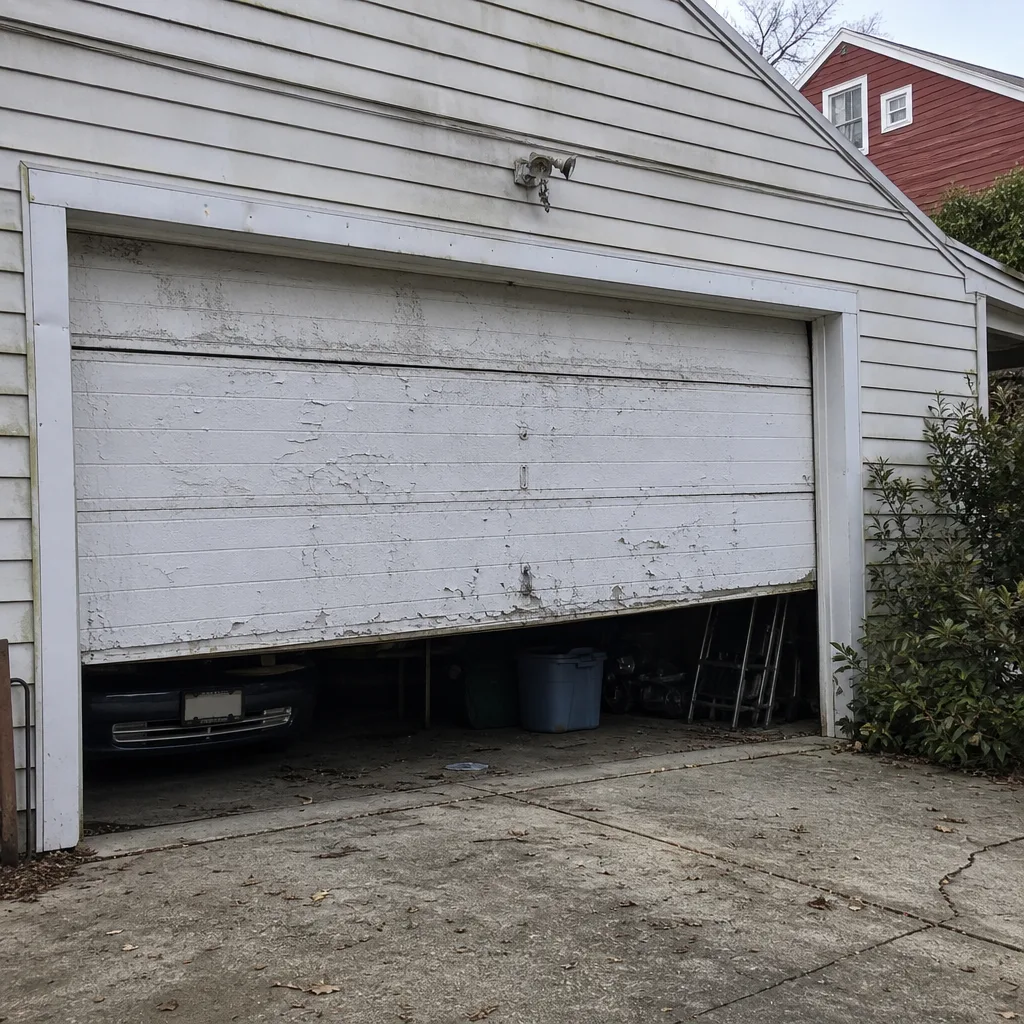 Before
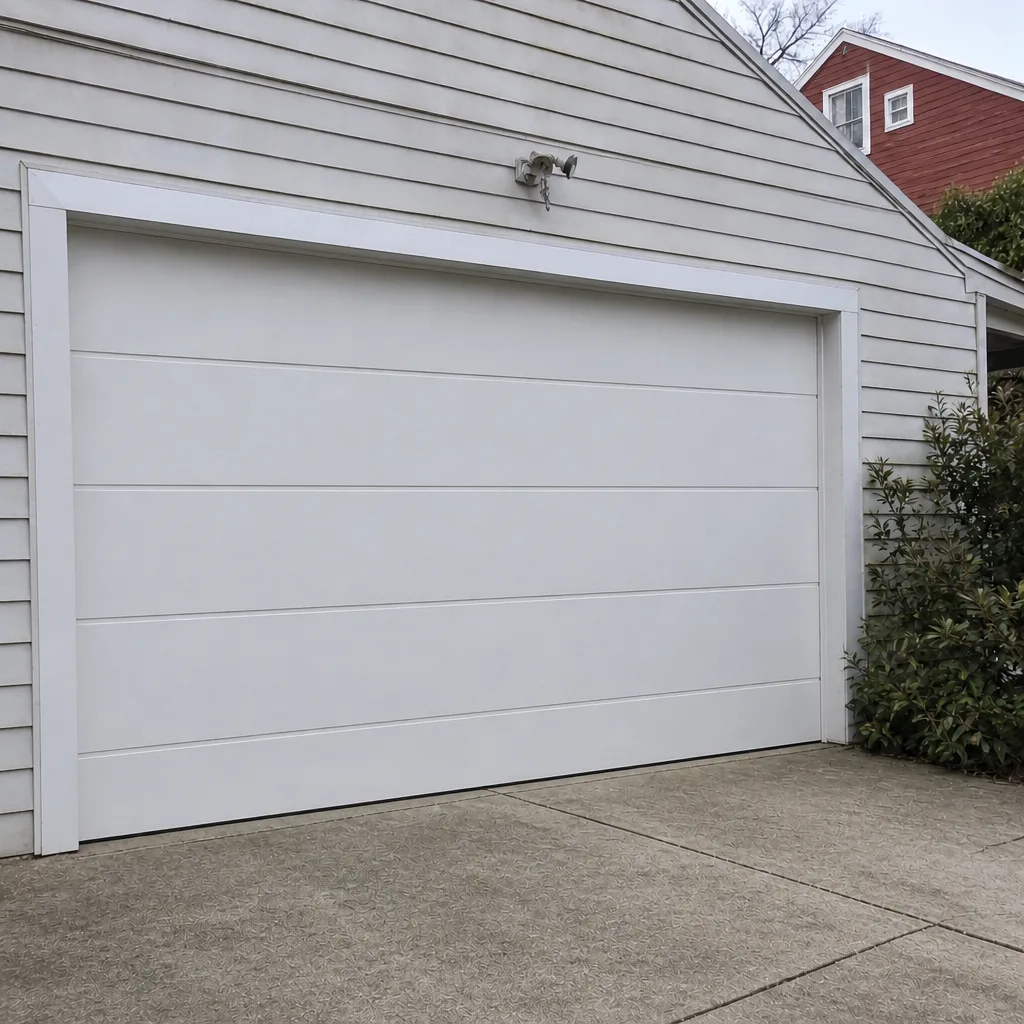 After
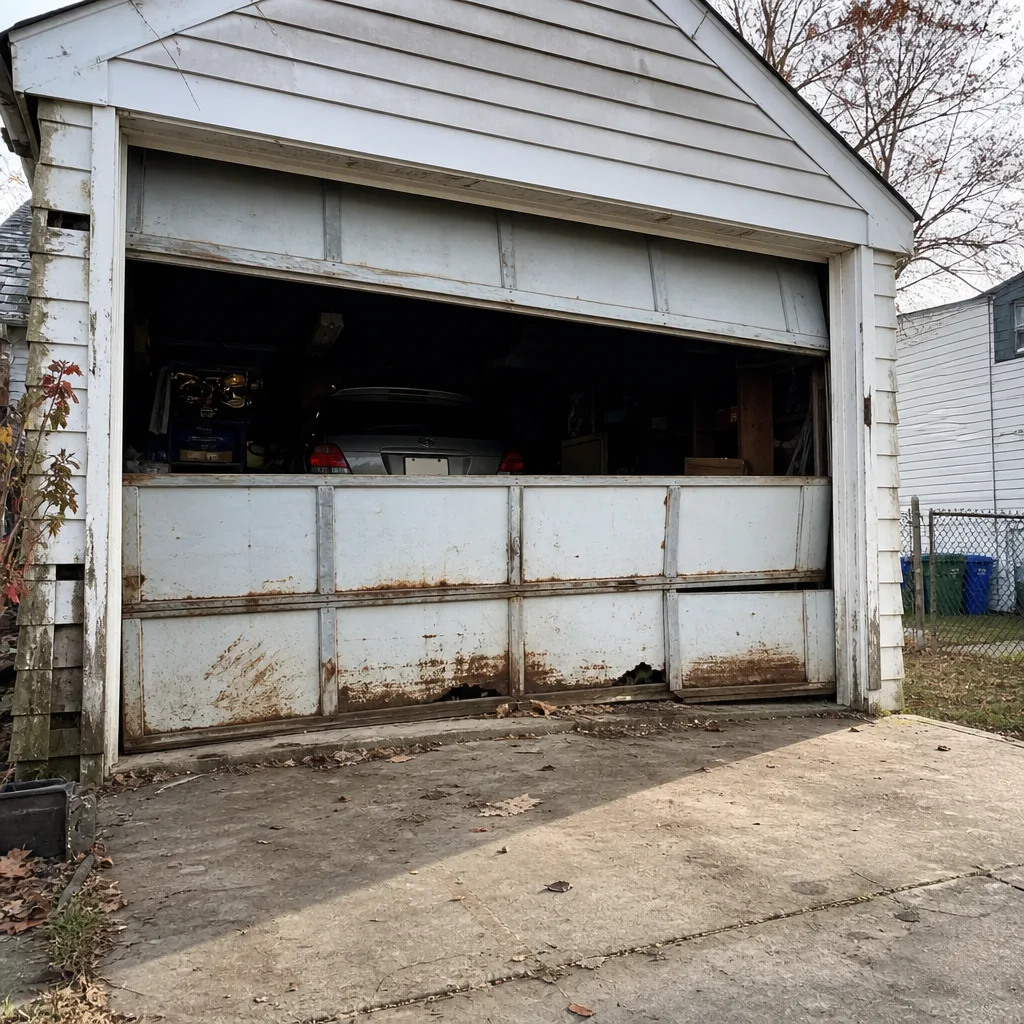 Before
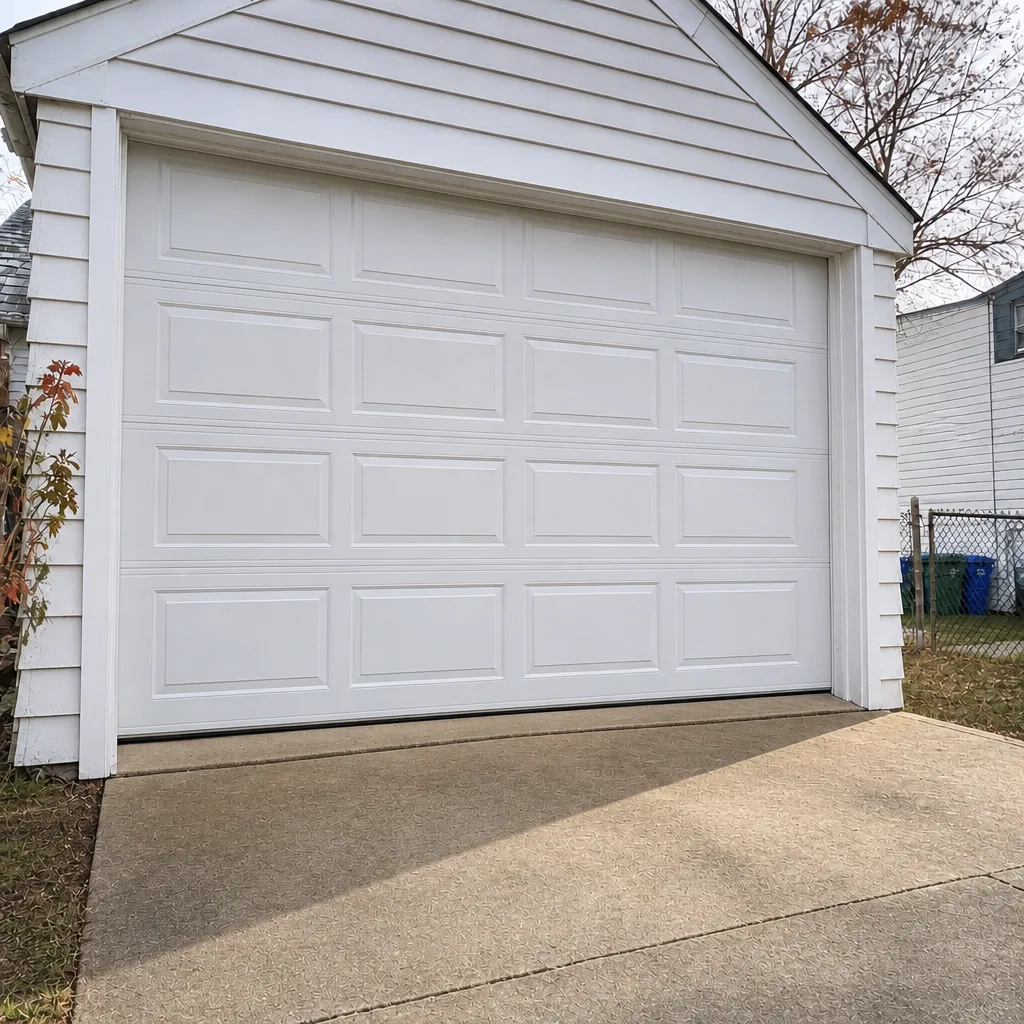 After
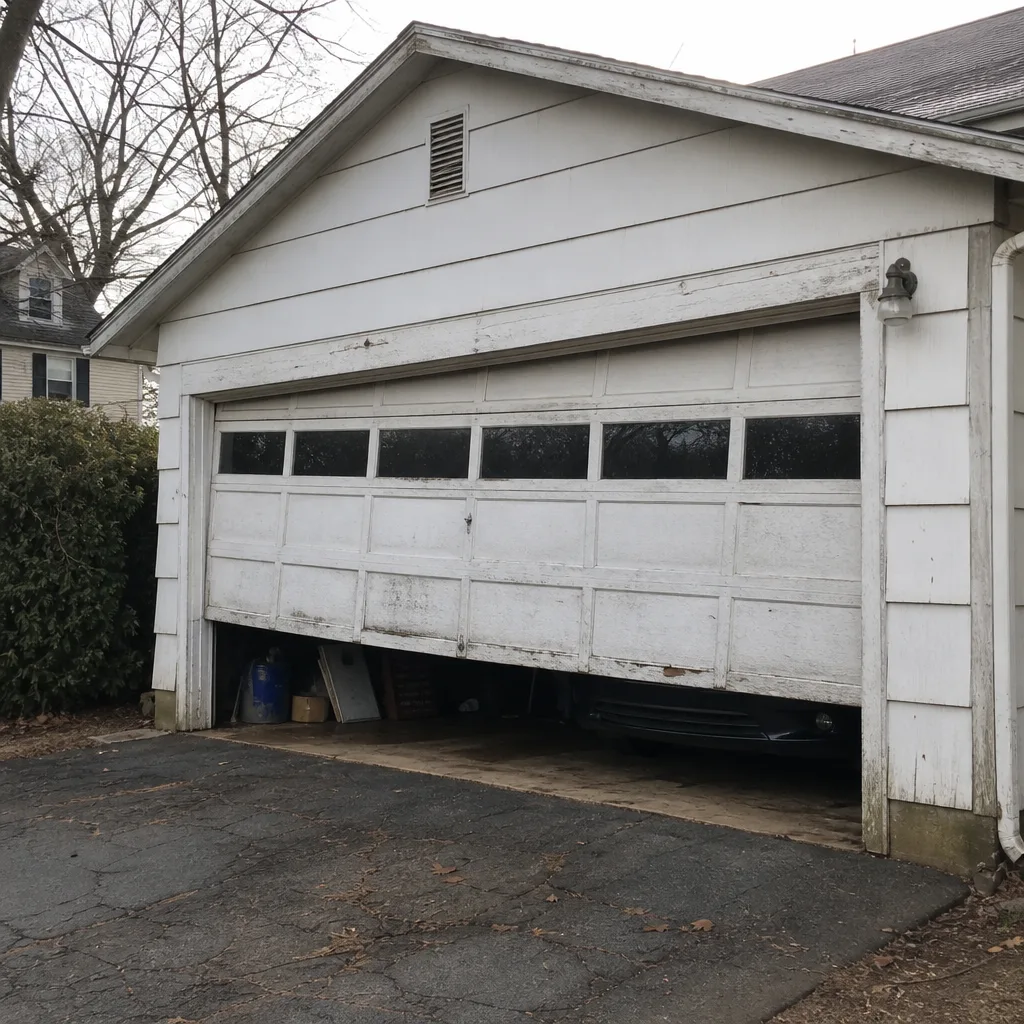 Before
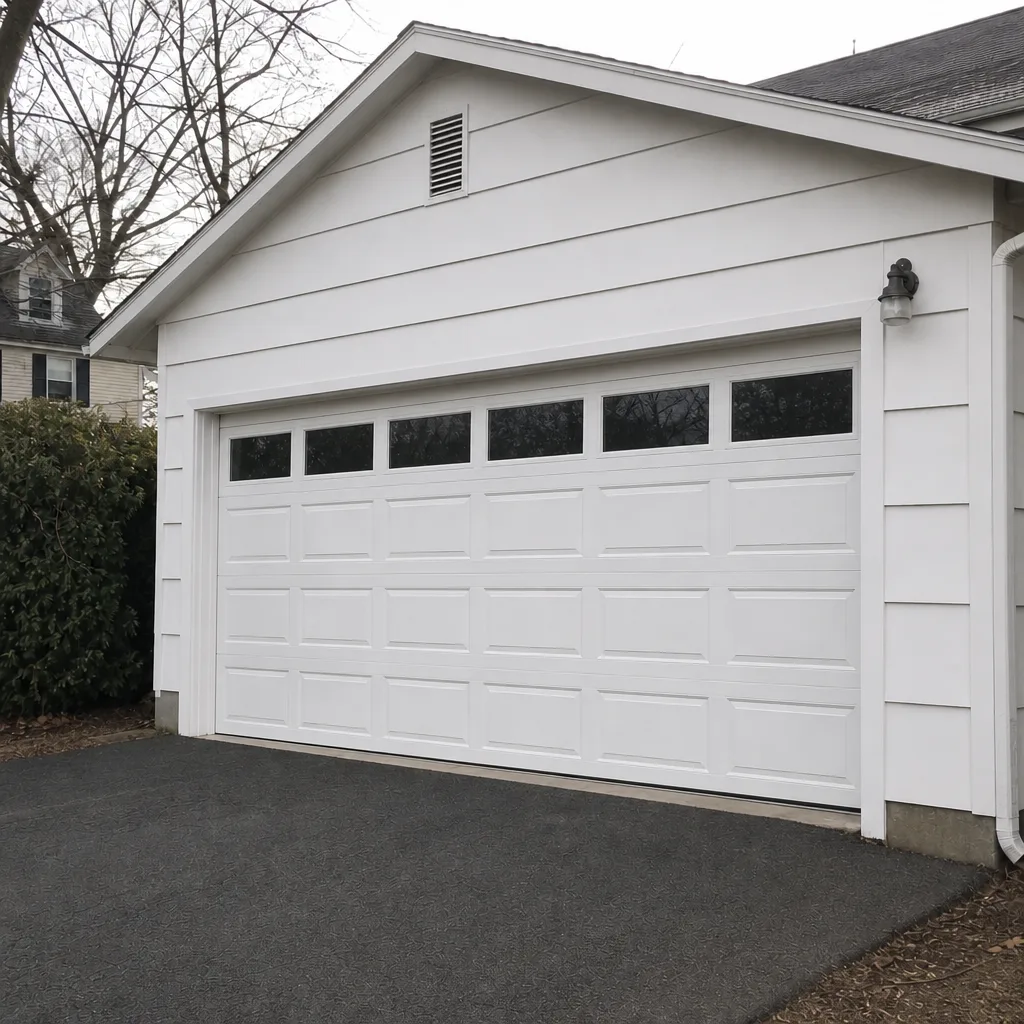 After
When to Call a Professional
If you’re anywhere in the middle of a project and unsure of scope – or you can’t tell whether your address is inside a New Haven historic district – a call is worth more than an afternoon of guessing. Spring repair is a safety job. Off-track doors and broken cables are a safety job. Openers wired into a new circuit are a licensed electrician’s job, and we’ll say so plainly. Our technicians have up to 9 years of experience across LiftMaster, Chamberlain, Genie, Clopay, Amarr, Wayne Dalton, Craftsman and Raynor equipment, and we can tell you what your door needs and what the code process looks like around it. New Haven Garage Door Repair Co offers free estimates in New Haven – call (866) 476-7578.
Frequently Asked Questions
Often no, if it’s a genuine like-for-like replacement of an existing door in the same opening. Structural changes, new electrical work and properties inside a local historic district do require permits or separate approval. Confirm with the New Haven Building Department before ordering. Call (866) 476-7578 for a free estimate on the door itself.
A Certificate of Appropriateness is design approval from the Historic District Commission for exterior changes on properties inside a New Haven historic district. If your home sits in Wooster Square, Prospect Hill or another locally designated district, the door’s style, material and color are reviewed before work starts. Confirm your property’s status with the city’s planning office first. Call (866) 476-7578 and we can talk you through what the design review usually looks at.
Yes, it often does. Buyers’ attorneys and title searches can surface open permits or missing certificates of completion, which can delay closing or force remediation. Fixing it after the fact is possible but usually slower and more expensive than filing up front. Call (866) 476-7578 if you want us to look at the door and help you scope what’s needed.
No. We quote the price in writing before any work starts, and the final invoice matches the estimate unless you approve additional work in advance. We look at the door, spring, opener and track before we quote, not after. Call (866) 476-7578 for a free estimate.
Yes. The local professionals we connect you with hold state licensing and carry insurance as required, and they’re vetted before we send them to your home. Spring and cable work especially is a safety job that should be handled by trained technicians with the right tools. Call (866) 476-7578 to schedule an estimate.
Call us. Emergency garage door service is a standard part of what we do, not a special exception, and we can stabilize a failed door while your permit paperwork moves through review. If the door is unsafe, we’ll tell you and recommend the temporary or interim options. Call (866) 476-7578 and we’ll figure out the right next step.
The Bottom Line
Most garage door replacements in New Haven are permit-exempt. The exceptions are the ones that cause trouble: structural changes hidden inside a “simple replacement,” historic district properties where the Certificate of Appropriateness never got filed, and electrical work on a new circuit with no permit. Confirm the scope with the Building Department, verify your address against the historic district map, and never assume the previous door’s permit status carries forward. If you’re planning a project, we’ll walk the process with you and give you a written estimate before any work begins. Call (866) 476-7578 for a free estimate in New Haven.
Written by the team at New Haven Garage Door Repair Co.