Last updated November 21, 2026
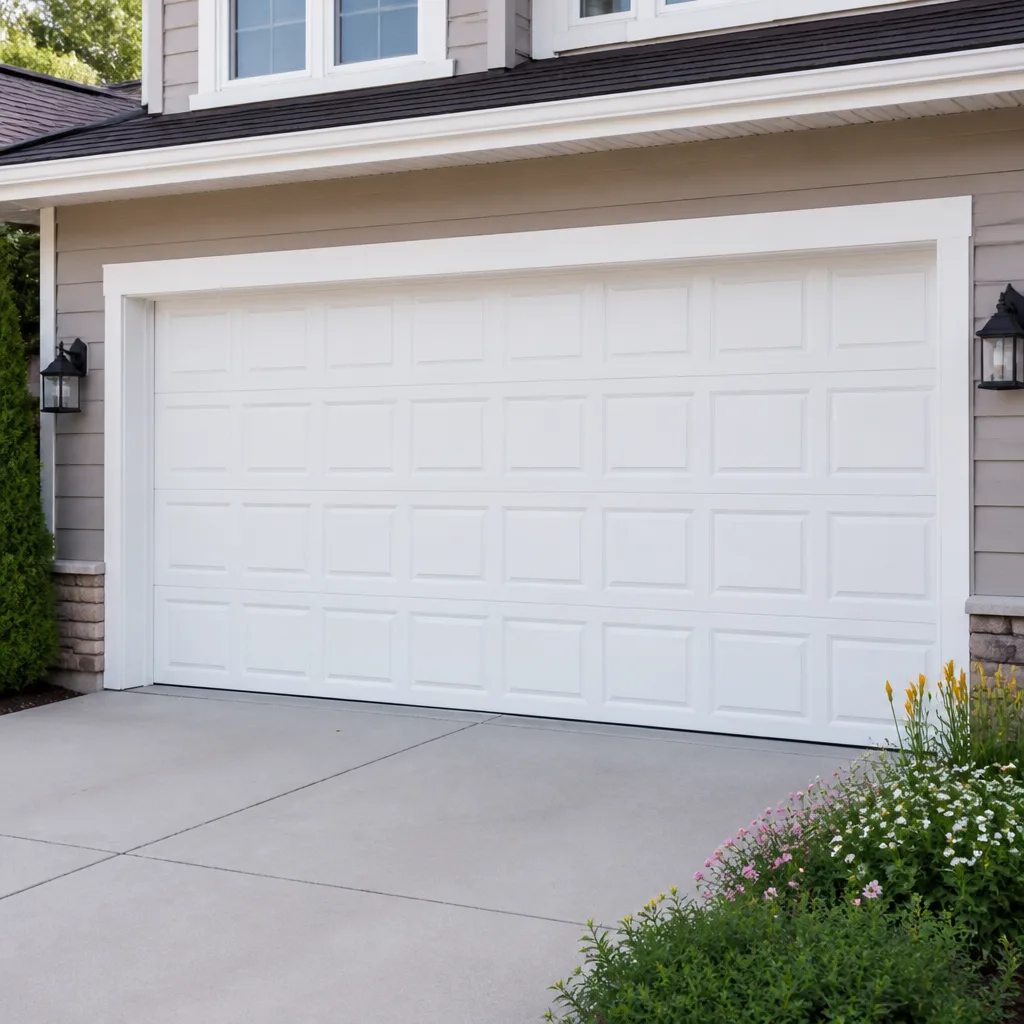 Raised-panel steel
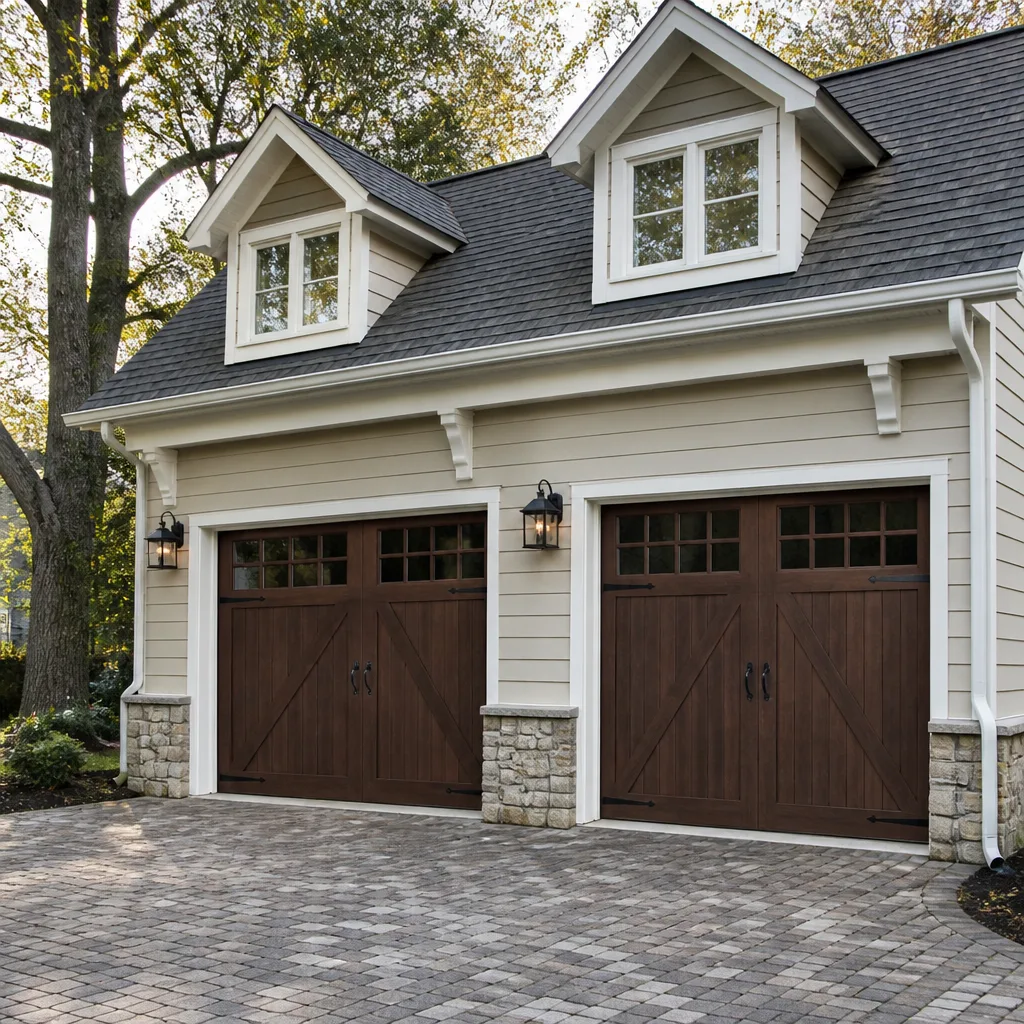 Carriage house
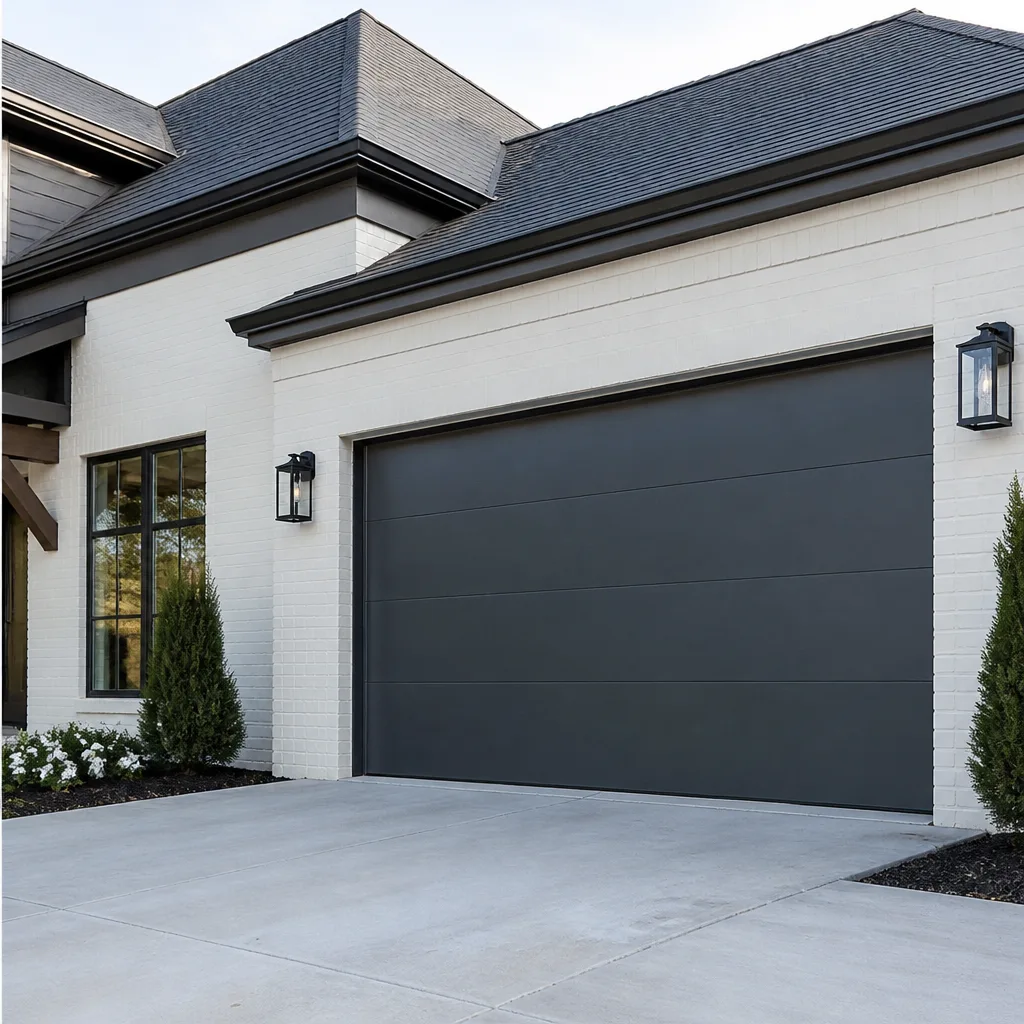 Modern flush
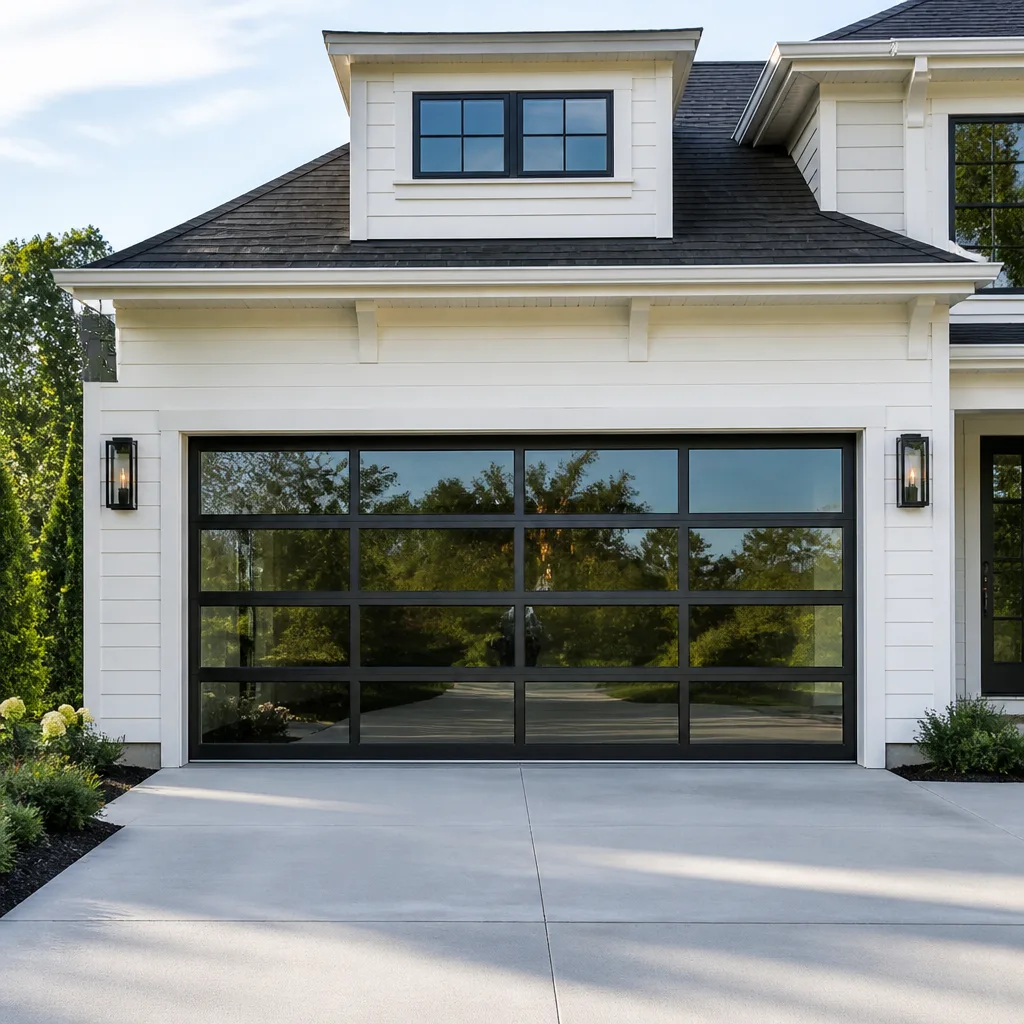 Full-view glass
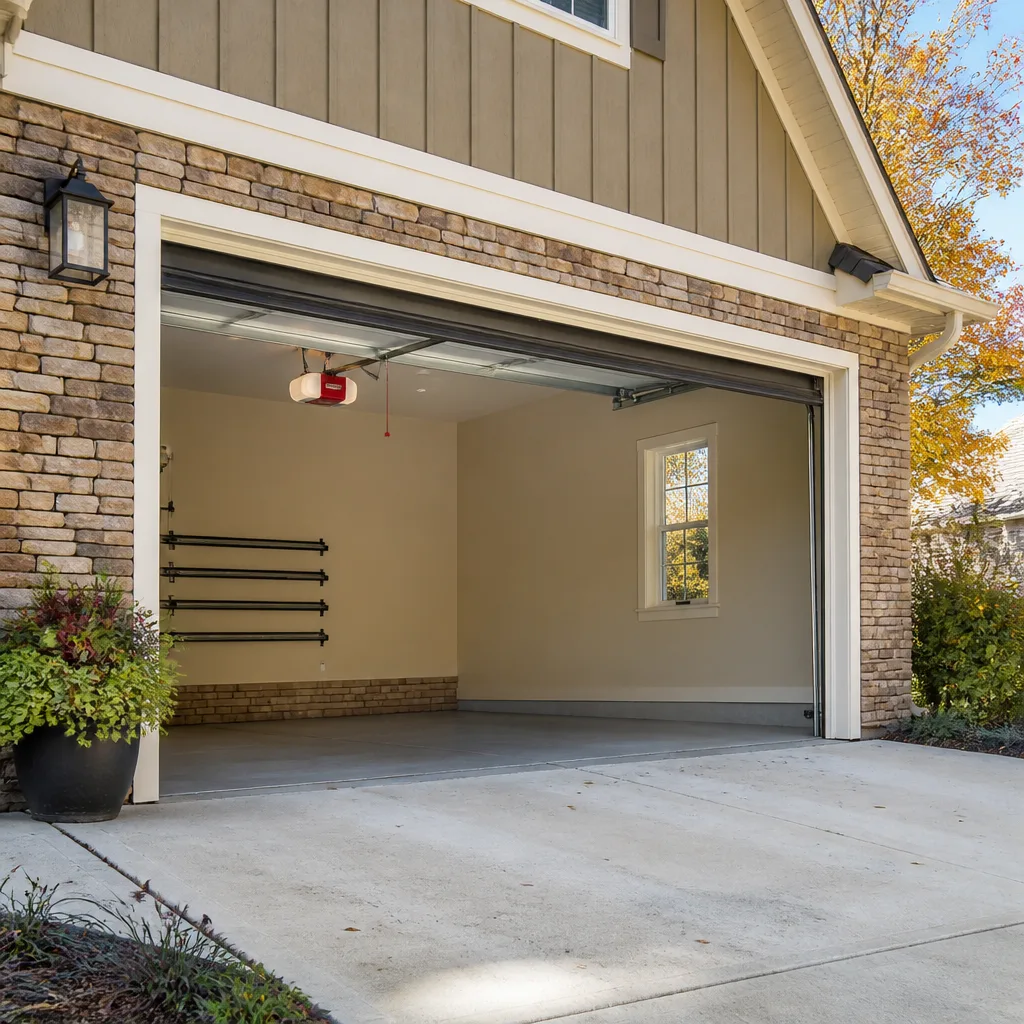 LiftMaster openers
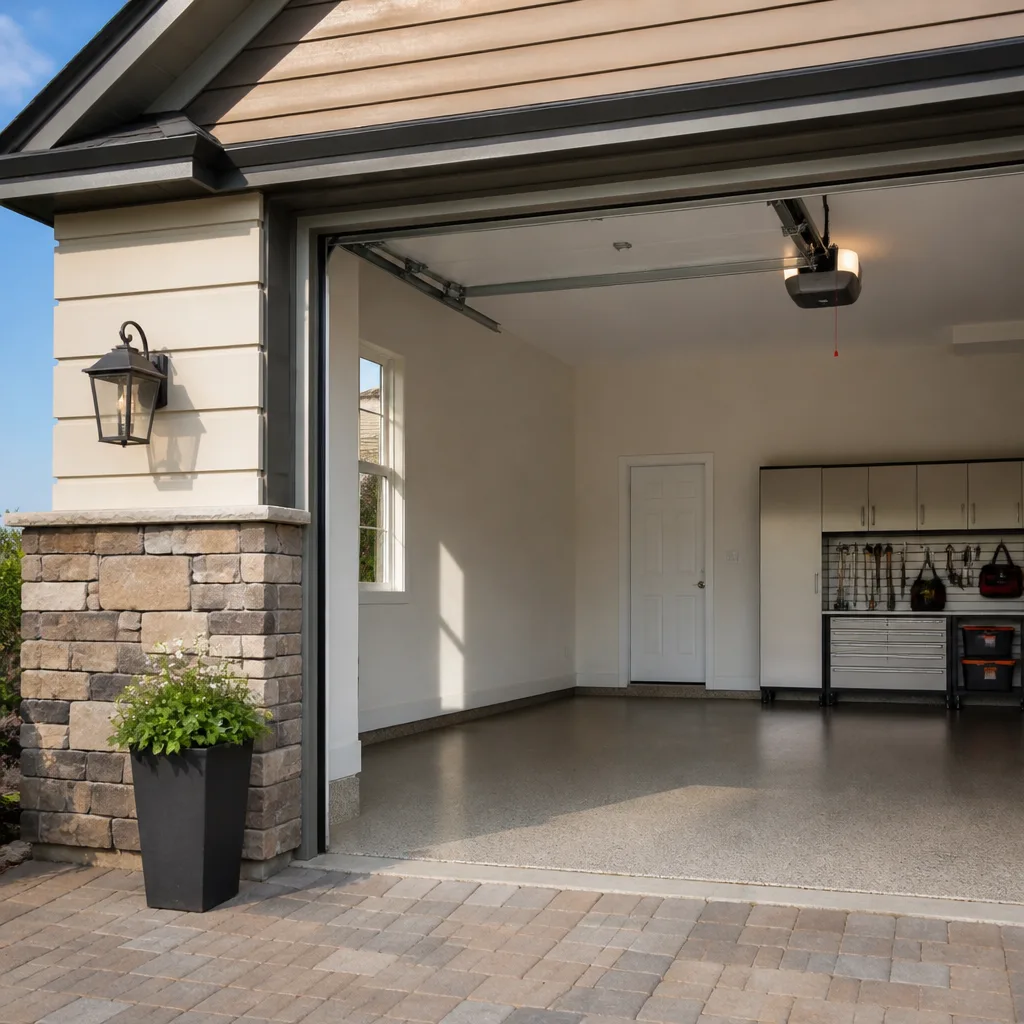 Chamberlain openers
Full 25-point door and opener safety check with every visit - springs, cables, rollers, tracks, and your LiftMaster or Chamberlain opener included
You get a price before we start. It does not change when the pro arrives.
Get your free estimateChoosing the Right Garage Door Brand: A Buyer’s Guide for New Haven
If you’ve spent any time reading garage door rankings online, you’ve probably noticed the same names floating to the top. Those lists tend to reward brands that perform well in mild, dry climates, where the panels never see a deep freeze or a humid July. New Haven isn’t that market. A door here faces a full four-season cycle every year: ice that expands inside seams, summer humidity that works on wood and paint, and an HVAC-driven temperature difference across the door itself that no Sun Belt spec sheet accounts for. What you’re about to read is how to pick a brand for the stressors a New Haven door actually faces over its life, and where the logo on the box matters far less than the gauge of the steel, the language in the warranty, and whether parts for that brand are available when something fails years from now.
Styles & brands we work with
- Raised-panel steel
- Carriage house
- Modern flush
- Full-view glass
- LiftMaster openers
- Chamberlain openers
Quick Answer
The right garage door brand for a New Haven home is the one whose panel gauge, insulation value, and warranty exclusions match the temperature swings and humidity of southern Connecticut, not the one ranked highest on a national list. For most homes here, that means a steel door with a heavier panel gauge for dent and freeze-thaw resilience, an insulated core rated for real cold, and a brand with parts and service support in Connecticut. Clopay, Amarr, and Wayne Dalton all have strong options once you read the specs the way a technician does.
Table of Contents
- Why New Haven’s Climate Rewrites the Brand Rankings
- How to Read R-Value for a New Haven Winter
- Steel Gauge: What It Actually Means for Dent Resistance
- The Warranty Trap: What “Lifetime” Really Covers
- Parts Availability in Connecticut and the Long-Term Cost
- Opener Compatibility: Who Locks You In
- A Brand-by-Brand Look at What Matters Here
- Common Mistakes to Avoid
- When to Call a Professional
- Frequently Asked Questions
Why New Haven’s Climate Rewrites the Brand Rankings
A garage door is a large, flat, exposed surface. That makes it the single most weather-stressed element on the front of your house. In New Haven, the door cycles through real heat in July and hard freezes by January, sometimes across the same week. Steel expands and contracts with every swing of temperature. Seals and gaskets soften in the summer and stiffen in the cold. Paint films take on moisture from humid air and then get hit with frost. A brand that’s tested and tuned for a mild climate never has to solve for that pattern.
Two things happen when a door isn’t built for it. First, the panel seams start to show it. Second, the bottom weather seal and the hardware begin to wear faster, and those are the parts that keep water and cold air out. We’ve seen doors in neighborhoods like East Rock and Westville that are structurally sound but leak at the threshold because the installer used a seal and hardware spec meant for a warmer, drier market. The brand wasn’t the problem. The wrong brand for the climate was.
So when we evaluate a manufacturer for a New Haven home, we’re asking a very specific set of questions:
- How does the insulation and seal design handle a prolonged deep freeze?
- What’s the panel gauge, and how does that hold up to freeze-thaw cycling?
- How does the finish system survive humidity and seasonal paint stress?
- Are the hardware and seals rated for cold-weather operation?
- Can we source parts for this brand locally if something fails?
National rankings skip most of these. A buyer’s guide for this market can’t. If your current door has failed an earlier version of this test, see our garage door repair page to understand what a fix looks like before you replace anything.
How to Read R-Value for a New Haven Winter
R-value measures how well a door resists heat transfer. The higher the number, the harder it is for heat to escape the garage in winter (or stay out of it in summer). Most homeowners compare R-values as if the largest number wins. The real question is what that number means across a New Haven heating season, not a single cold night.
A garage shares walls with the house in most New Haven homes. An attached garage with an uninsulated door becomes a cold zone all winter and a hot one all summer, and that thermal load pushes through the wall into the rooms beside it. The door’s insulation is the first line of defense for that shared wall. A door with a thin insulated core gives some protection. A door with a full sandwich-style insulated panel and a sealed perimeter gives meaningfully more, and it does it every day from November through March.
What to look for when you compare spec sheets:
- Insulation type. Polyurethane cores generally outperform polystyrene of the same thickness. Ask what’s inside, not just the number on the brochure.
- Door thickness. A thicker panel with the same insulation material usually carries a higher rating. Compare thickness and material together.
- Perimeter seals. An insulated panel with a poor bottom seal and no side seals leaks air and undercuts its own R-value. Hardware matters as much as the core.
- Glass and windows. Any window cut into a door is a thermal break. A door with three lites in a New Haven winter performs differently than the same door without them.
Brands like Clopay and Amarr both publish thermal data for their insulated lines, and reading that data as a whole system, not a single headline number, is the correct approach. Humidity and cold both matter, and the door that handles both is the one you want.
Steel Gauge: What It Actually Means for Dent Resistance
Here’s the part most buyers skip: the gauge of the steel. Gauge is thicker at lower numbers. A 24-gauge panel is thinner than a 25-gauge panel, and a 27-gauge panel is thinner still. It’s counterintuitive, and it’s the number that tells you how well the door will resist a dent.
In southern Connecticut, steel panels face two denting threats. One is the ordinary kind: a bicycle, a lawnmower, a basketball, a car door swinging into the panel from inside the garage. The other is seasonal. Freeze-thaw cycling puts repeated load on seam joints and the panel edges, and a thinner panel deflects and fatigues faster than a heavier one. A heavier-gauge panel resists both better, and it stays flatter and quieter over its life.
Where the brands land on this varies more than marketing suggests:
- Amarr builds multiple door series around heavier panel gauges, which is worth noting for a home with high traffic through the garage.
- Clopay publishes gauge and construction details per series, so compare series-by-series rather than brand-to-brand.
- Wayne Dalton offers a spread of steel gauges across its lineup, so the specific model matters as much as the brand.
The takeaway: don’t pick a brand. Pick a specific series from that brand with the gauge you need. A brand’s cheapest line and its heavier line can differ by several gauges, and that difference is exactly what determines how the door looks five winters from now. If a dent has already compromised the panel, our garage door repair team in New Haven can tell you whether it’s a repair or a replacement situation before you commit.
The Warranty Trap: What “Lifetime” Really Covers
“Lifetime warranty” is the single most misread phrase in the garage door market. It rarely covers the whole door, and it almost never covers what actually fails first. Read the exclusions before you read the headline. The brand with the longest-sounding term is often the one with the narrowest definition of what that term applies to.
Here’s how the language usually breaks down, and where to press on each brand:
- What part the lifetime term covers. Usually the panel section itself against rust-through or a factory defect. It does not typically cover the springs, the opener, the tracks, rollers, or cables. Those have separate, shorter warranties.
- What voids the coverage. Improper installation, an unapproved opener pair, or a non-compliant track setup can all void a panel warranty. This is why the install quality matters as much as the brand.
- Who performs the warranty work. Some manufacturers route warranty claims through their dealer network, which is fine if your original installer is one. If they aren’t, the claim can get complicated.
- Prorated vs. full coverage. Some “lifetime” terms are fully covered for a period and prorated after. Ask exactly what that looks like at year 10 and year 15.
Clopay, Amarr, and Wayne Dalton all publish their warranty schedules in writing. Ask for the document that applies to the specific series you’re considering, not a summary. Compare the panel coverage, the hardware coverage, and the labor exclusions side by side. The longer warranty with a narrower scope is worth less than the shorter one that actually covers the parts that wear out.
Parts Availability in Connecticut and the Long-Term Cost
The cheapest door to buy isn’t always the cheapest to own. What you pay up front is one number. What you pay over 20 years on hardware, springs, rollers, and opener parts is another, and it depends heavily on whether parts for your brand are available in Connecticut.
Think about what actually wears out: springs, rollers, hinges, the bottom seal, and the opener’s drive components. None of those are the door panel. If the brand’s parts need to be ordered from out of state with a lead time, a broken spring can take your garage out of commission for longer than it should. If the brand’s parts are widely stocked and serviced locally, the repair is fast and the choice of technician is wider.
This is one of the reasons we work across eight brands rather than one. Spring repair is a safety-critical job, and we keep our own garage door spring repair capability in-house rather than subcontracting it. That means when your spring fails, the diagnosis and the fix come from the same place, and running the numbers on parts availability is part of the conversation we have with you before you buy.
When you compare two brands at similar price, ask these questions:
- Is this brand serviced and stocked by technicians in Connecticut?
- Are the springs and hardware standard sizes, or proprietary?
- Can the opener be replaced independently of the door if either fails?
The brand with ready parts and standard hardware almost always wins on 20-year cost, even if its sticker price is a little higher.
Opener Compatibility: Who Locks You In
Some doors and openers pair freely. Others are engineered to keep you inside a closed system. For New Haven homeowners planning to keep a door for a long time, that compatibility question is worth more attention than the brand badge, because it determines whether you can swap the opener when it fails without changing the door too.
What usually creates lock-in:
- Proprietary opener mounting patterns. Some door brands pair best with their own opener hardware. Ask whether any standard opener can be mounted without modification.
- Smart-home ecosystems. A connected opener tied to one app ecosystem is convenient, until you switch platforms or want a different brand. Ask whether the opener works with a standard wall control and safety sensor setup.
- Proprietary track and hardware. Most doors accept standard tracks and hardware, but a few brands use unique profiles. Ask before you buy.
On the flip side, some brands make swapping openers easy. Genie, LiftMaster, Chamberlain, and Craftsman openers all mount with fairly standard setups, and matching a door to a widely compatible opener means you’re never stuck. We handle garage door opener repair on both legacy and smart-connected units, so we’ve seen which pairings create headaches and which don’t.
Before you buy, ask the seller one direct question: can any standard opener be installed on this door without modification or a proprietary part? If the answer is vague, don’t buy.
A Brand-by-Brand Look at What Matters Here
We work on LiftMaster, Chamberlain, Genie, Clopay, Amarr, Wayne Dalton, Craftsman, and Raynor. That breadth isn’t a sales pitch. It’s why we can speak to brand behavior from experience rather than a spec sheet. Here’s how the brand landscape actually breaks down for a New Haven buyer.
Clopay
Clopay offers a wide spread of series, from basic steel panels to heavily insulated doors. The brand publishes detailed gauge and insulation information, which makes side-by-side comparison easier. For a New Haven home, focus on the series with the heavier gauge and the higher R-value, not the base line. On warranty, read the exclusions carefully because the coverage varies sharply between series.
Amarr
Amarr tends to build heavier panel gauges into its core lines, which plays well against freeze-thaw stress and everyday dents. The brand has solid insulation options and consistent hardware standards. For a household with high garage traffic, Amarr’s heavier series are worth pricing. Read the warranty schedule for the specific series, because the terms differ across the line.
Wayne Dalton
Wayne Dalton covers a wide gauge range, so the brand name alone tells you less than the series does. Its thermal and hardware options vary significantly line to line. Ask specifically about the series you’re pricing, and confirm the panel gauge and insulation type before you commit. The parts ecosystem is well established, which helps long-term repair costs.
Genie
Genie is primarily an opener brand, and its relevance here is compatibility. Genie openers pair well with standard door hardware and safety setups, which keeps you from being locked into a single manufacturer for both the door and the opener. That flexibility is genuinely useful when one component fails years from now.
LiftMaster, Chamberlain, Craftsman, Raynor
LiftMaster, Chamberlain, and Craftsman dominate the opener side, and all three offer strong compatibility with standard door hardware. Raynor builds quality doors and matches well with the wider opener ecosystem. For a New Haven home, this all reinforces one idea: buy a door with standard hardware, and your opener choice stays open.
If you want the full picture of a specific door’s fit for your home, our New Haven Garage Door Repair Co team can walk through the options on site.
Common Mistakes to Avoid
- Buying on national rankings alone. The brand with the best review score nationally isn’t necessarily tuned for a New Haven winter. Read the gauge, insulation, and warranty for the specific series you’re considering.
- Comparing R-values as if higher always wins. A door with a high R-value and a weak perimeter seal underwhelms in practice. The whole assembly matters, including seals and hardware.
- Ignoring the gauge. Two doors that look identical can differ by several gauges, and that difference shows up in five winters of dents and deflection. Always ask for the gauge, not just the brand.
- Trusting “lifetime warranty” without reading exclusions. Lifetime usually means the panel against rust-through, not the springs, opener, or hardware. Ask for the actual warranty schedule for the series you’re buying.
- Choosing a door that locks you into one opener brand. Proprietary hardware can turn a simple opener replacement into a door swap. Confirm that standard openers will fit.
- Overlooking local parts availability. A door whose springs and hardware are serviced in Connecticut is cheaper to own than one whose parts have to be shipped in.
- Skipping the install quality. The best-built door installed poorly still fails early. Ask who installs it, and confirm they follow the manufacturer’s spec for track and opener.
When to Call a Professional
Some garage door work is a homeowner decision (choosing a brand, comparing quotes, reading spec sheets). Other work needs a technician, no exceptions. Call us when a torsion spring has broken, when the door is hanging off its track, when the opener runs but the door doesn’t move, or when a panel has been damaged badly enough to question whether the door is still safe. Spring work in particular is high-tension and genuinely dangerous; don’t attempt it yourself. If your door has already failed and you need it back to working order, that’s what we’re here for, and it isn’t an upcharge tier for us. New Haven Garage Door Repair Co offers free estimates in New Haven, and our technicians have up to 9 years of experience across eight major brands. Call (866) 476-7578 and we’ll get you back to working order.
Frequently Asked Questions
There isn’t one best brand; there’s a best series for your specific house. Focus on heavier panel gauge, insulated construction rated for cold, a perimeter seal that holds up to freeze-thaw, standard hardware for opener flexibility, and a warranty whose exclusions you’ve read. Clopay, Amarr, and Wayne Dalton all have strong series that fit a New Haven home when you compare the right specs.
Choose the door first, then the opener, but make sure the door accepts standard opener hardware. That keeps your options open when the opener needs replacing. Genie, LiftMaster, Chamberlain, and Craftsman all pair well with standard doors. If a seller can’t confirm standard opener compatibility, keep shopping.
Yes, but for a specific reason. Southern Connecticut gets real winter cold and real summer humidity, so the insulation needs to handle both, and the perimeter seal needs to keep air out across the whole season. A high R-value helps only if the door’s seals and installation hold up. Compare the whole assembly, not just the R-value number.
Usually the panel itself against rust-through or a factory defect, and not the springs, opener, tracks, rollers, or cables. Ask for the warranty schedule for the specific series you’re buying, and read the exclusions for installation, opener pairing, and prorating. If the seller can’t produce the schedule, that’s a red flag.
No, that’s the misconception. A heavier-gauge door usually costs a bit more up front and less over time, because it resists dents, stays flatter, and holds up better to freeze-thaw cycling. Combined with a brand that has local parts availability, the heavier door is usually the cheaper door over 20 years.
Yes. That’s exactly the conversation we have during a site visit. We work across eight brands, so we can look at the two you’re comparing on gauge, insulation, warranty exclusions, and parts availability, and tell you where each one wins for your home. Call (866) 476-7578 to set up a free estimate in New Haven.
The Bottom Line
Brand choice matters, but only after you’ve read the specs that actually determine how the door lives in a New Haven winter. Heavier gauge, insulated construction, a perimeter that seals against freeze-thaw, standard hardware for opener flexibility, and a warranty whose exclusions you’ve read. Pick the series, not the logo. Then check that the brand has local parts and service support, because that’s where the real 20-year cost lives. When you’re ready to compare options on site, the New Haven Garage Door Repair Co team works across eight brands and will walk through the specifics with you. Call (866) 476-7578 for a free estimate.
Written by the team at New Haven Garage Door Repair Co.
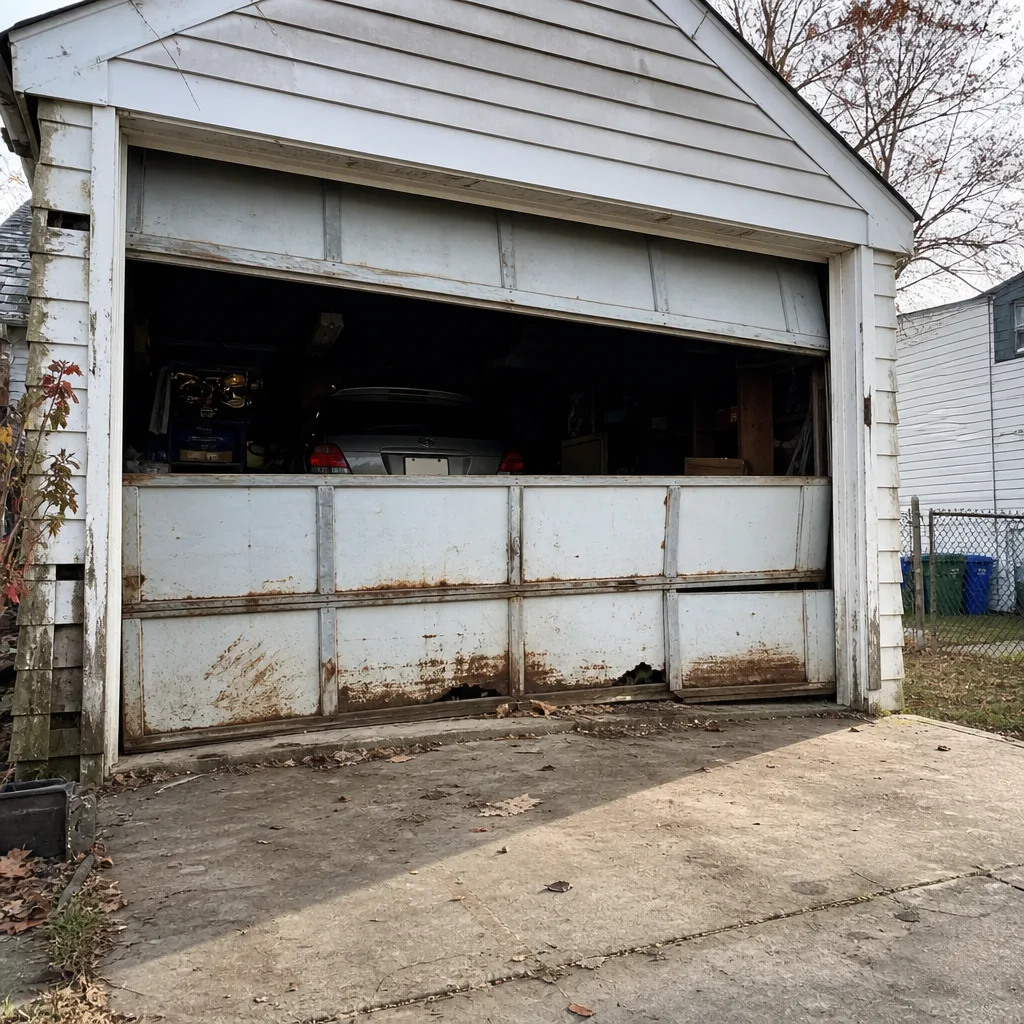
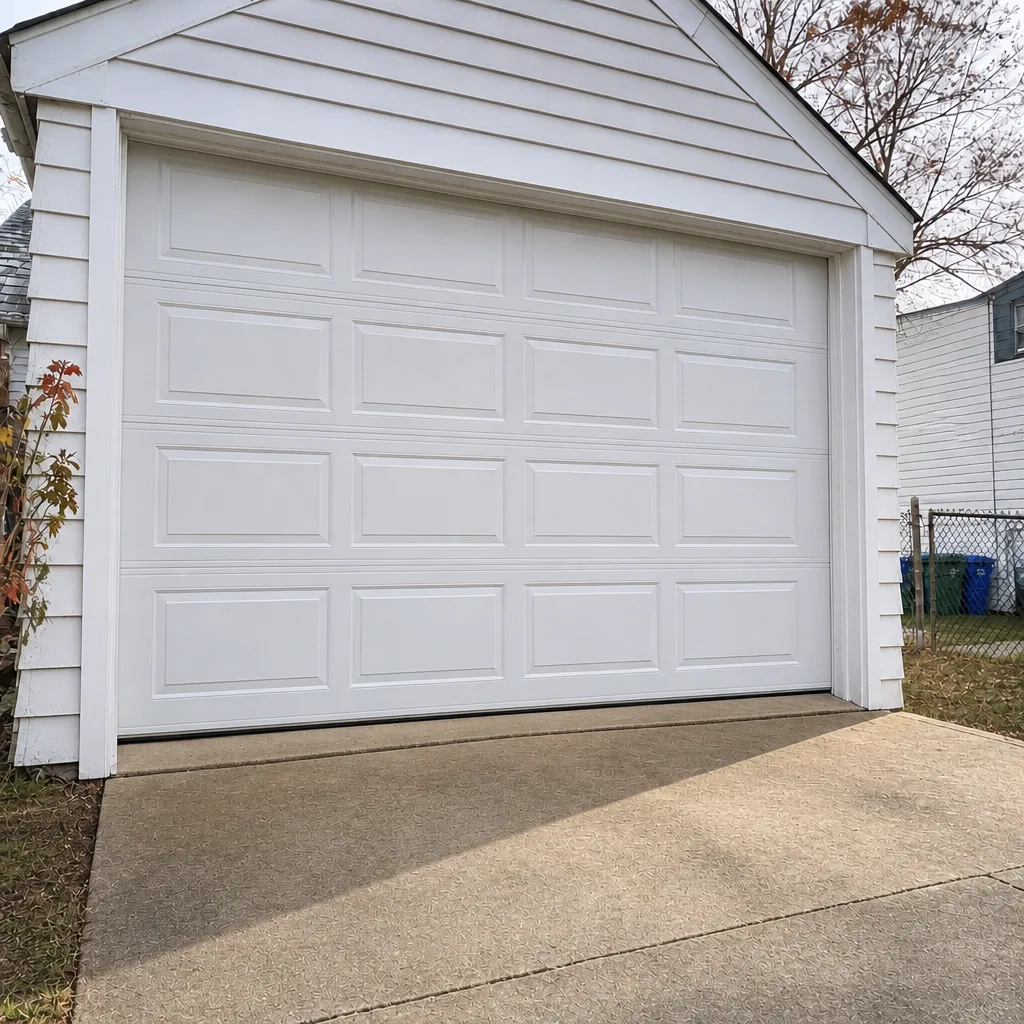
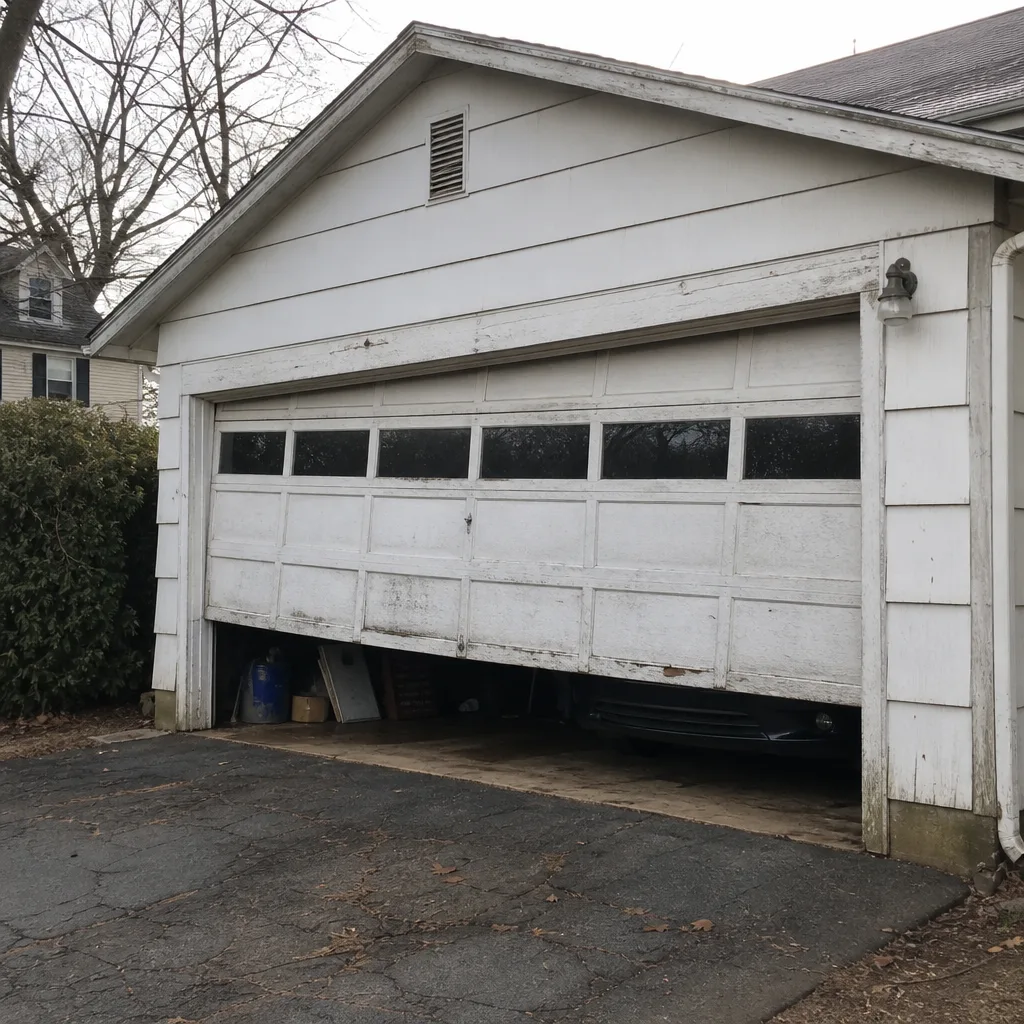
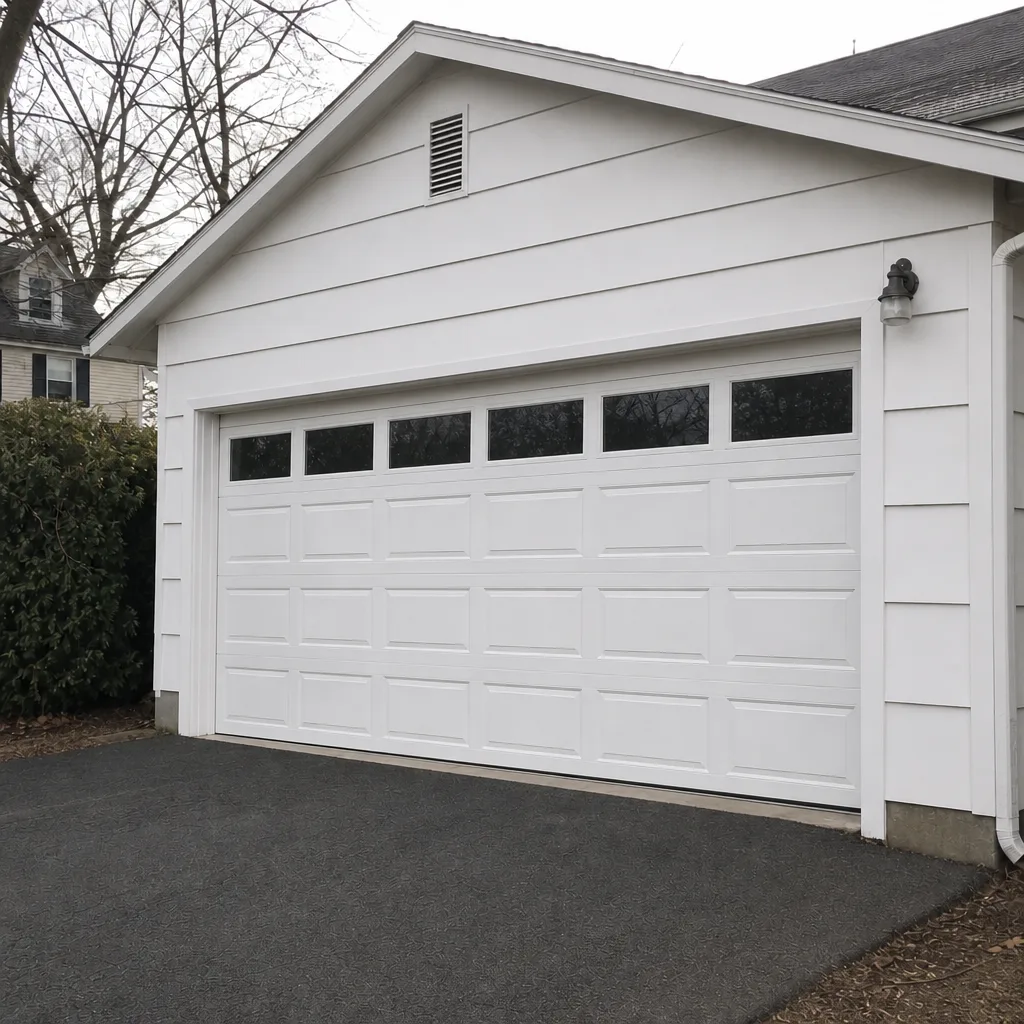
See the difference
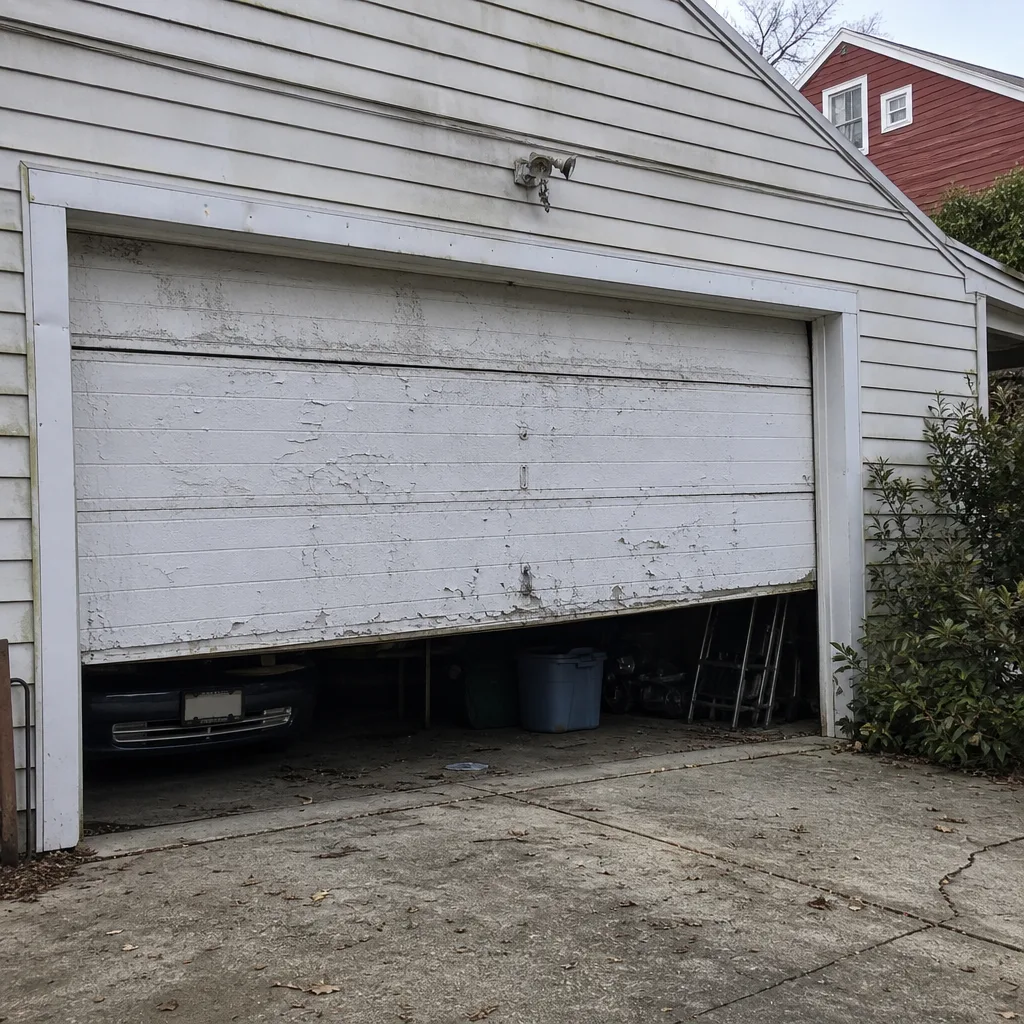 Before
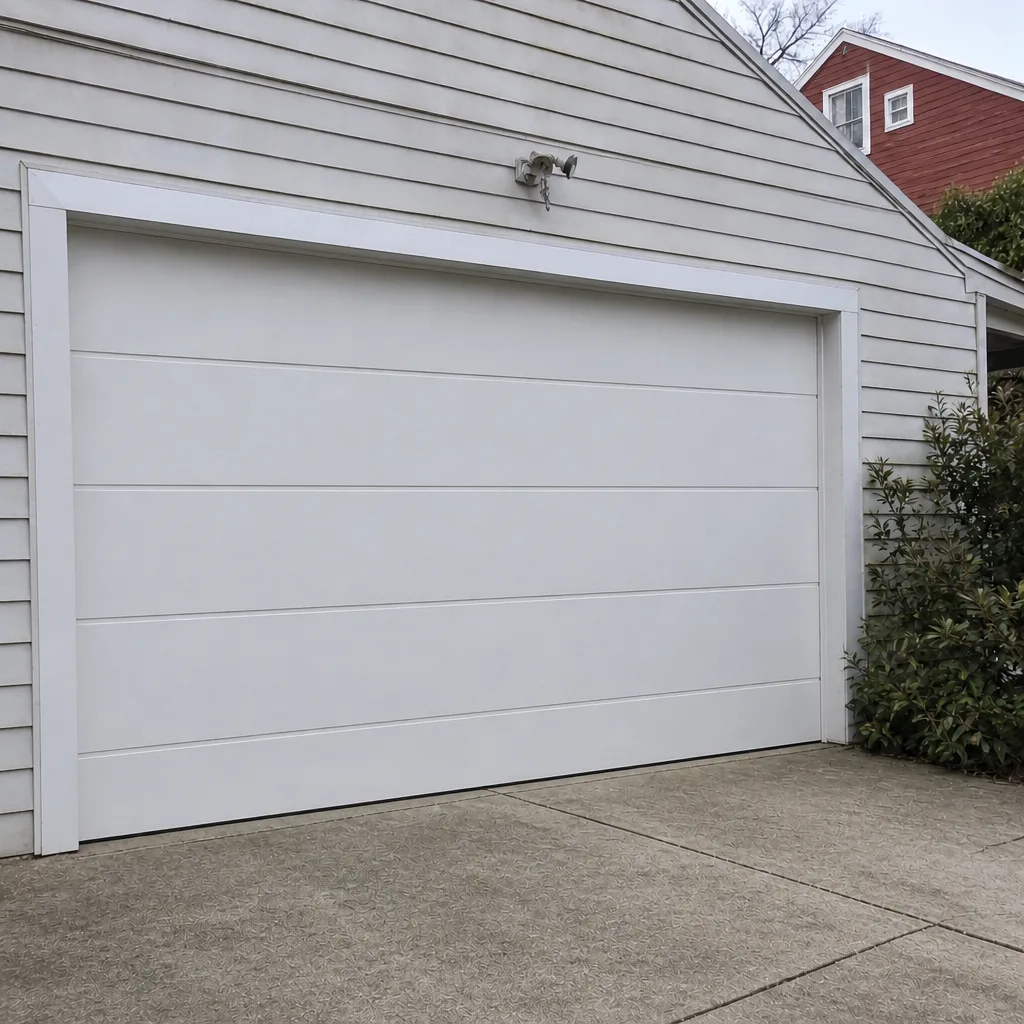 After
 Before
 After
 Before
 After